
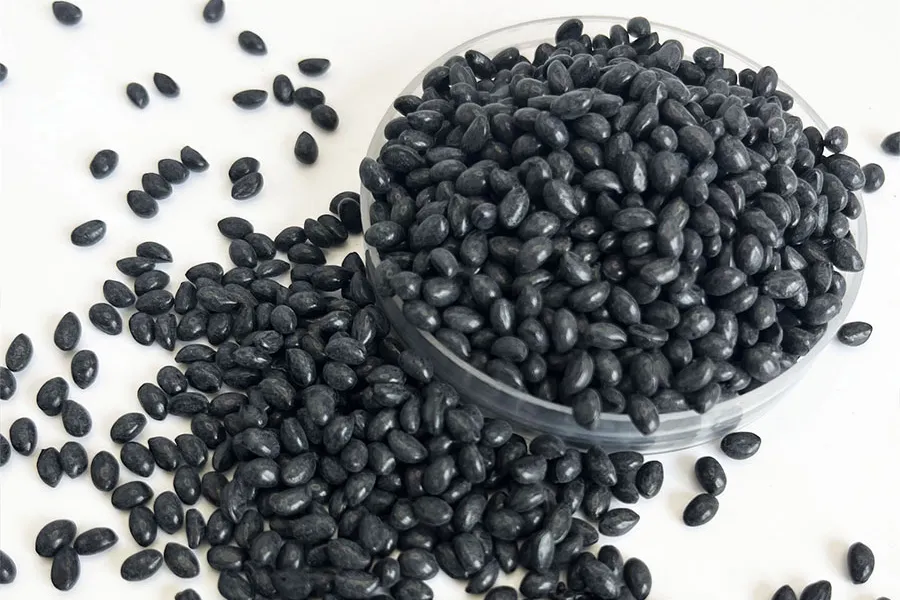
Masterbatch is one of the most practical tools in modern plastics manufacturing. Instead of feeding loose pigment powder or separate additive packages into the line, processors use a concentrated pellet that has already been dispersed into a compatible carrier resin. Once that pellet enters the extruder or molding system, heat and shear help spread the colorants, fillers, or performance aids through the melt. In day-to-day production, masterbatch helps manufacturers run cleaner lines, keep formulations more stable, and improve appearance from batch to batch.
What Is Masterbatch?
In industrial terms, masterbatch is a concentrated blend of pigments, minerals, or functional additives held in a polymer carrier. Industry references explain the concept as a high-load concentrate that is later diluted during the manufacture of finished plastic parts. That format is valuable because it turns difficult-to-handle ingredients into easy-to-dose pellets. For converters, the result is less dust, simpler storage, and more precise feeding on fast production lines.
How It Works in Plastic Processing
The working principle is straightforward. First, the supplier compounds pigments or additives into a carrier resin under controlled temperature and shear. Second, the processor meters that concentrate into the main resin stream at a selected let-down ratio. Third, the rotating screw and melt flow distribute the ingredients before the material reaches the die, mold, or film bubble. When this sequence is managed well, masterbatch supports uniform color, cleaner surface finish, and more repeatable processing performance.
Why Compatibility and Dispersion Matter
Compatibility is one of the most important selection factors. A concentrate designed for PE may not behave the same way in PP, ABS, or a recycled blend. The carrier resin, additive package, melt flow behavior, and processing temperature all affect the final result. This is why buyers should evaluate more than shade alone. If the formulation does not match the base polymer, processors may see streaks, unstable gloss, pressure changes, or inconsistent mechanical properties.
Where Different Types of Masterbatch Add Value
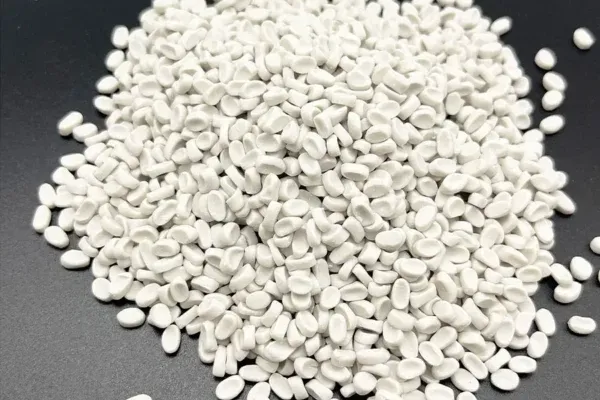
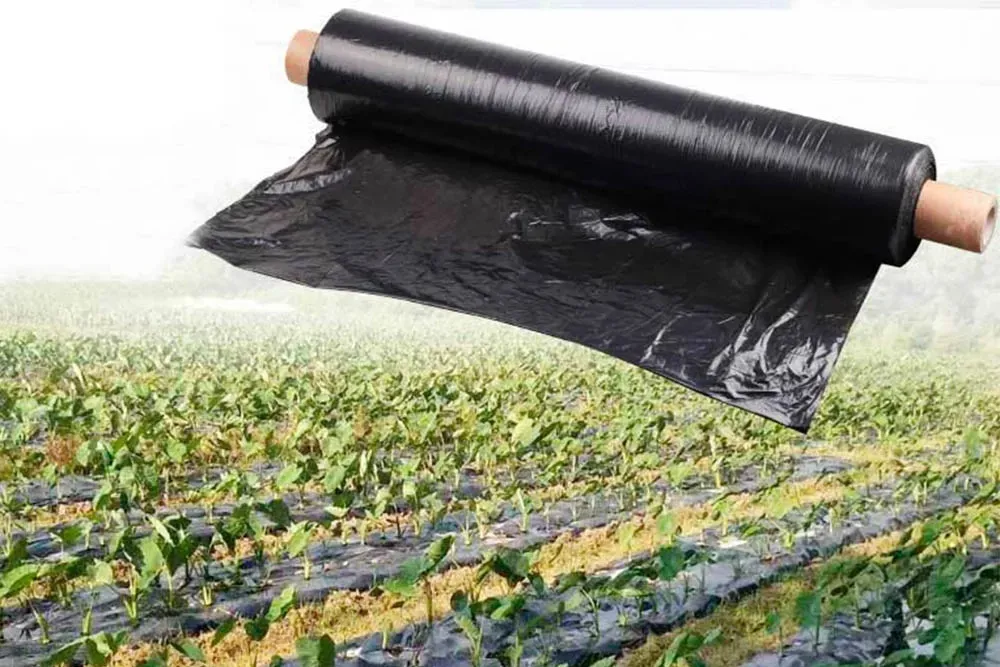
Different production goals also call for different concentrate strategies. Color grades are useful when branding, opacity, or shade accuracy is the main priority. Black grades are widely used in film, bags, pipes, and molded products that need strong jetness and high coverage. Filler grades are often chosen when a plant wants to reduce raw material cost, improve stiffness, or fine-tune production economics. On Nuoxin’s current website, readers can move directly to its Black Masterbatch page for deep-black applications or explore its Filler Masterbatch line for cost-sensitive production programs.
| Type | Primary purpose | Typical processes | Best-fit production goal |
| Color | Precise shade, opacity, branding | Injection molding, blown film, blow molding | Stable visual identity and consistent color output |
| Black | Jetness, coverage, appearance stability | Film, bags, pipe, molded parts | Deep black tone with reliable processing behavior |
| Filler | Lower resin cost, higher stiffness | Sheet, pipe, extrusion, selected molded parts | Cost-performance balance on high-volume lines |
| Desiccant | Moisture management in damp or recycled feed | Extrusion, film, molding | Fewer moisture-related defects during processing |
Current Operating Data from Nuoxin
Current product information from Nuoxin adds practical context for purchasing teams. The company says it has more than 10 years of manufacturing experience and stable supply capacity above 3000 tons per month. Its applications page notes that common dosage ratios usually fall between 1% and 5%, while the black product page shows a broader recommended range of 1% to 10% depending on target blackness. That same page also lists a processing temperature window of 140 to 320 degrees C and carbon black content of 30% to 55% for its black grades.
These figures matter because they help a buyer quickly judge whether a supplier is positioned for real industrial use. For example, a processor running blown film, injection molding, or extrusion wants more than a color sample. The team also needs stable dosing, thermal reliability, and batch-to-batch consistency. A well-made masterbatch can contribute to all three by improving ingredient distribution and lowering the variability that often appears when powders are fed directly.
Current website data points that support supplier evaluation
| Metric | Current website figure | Why it matters |
| Manufacturing experience | 10+ years | Signals process history and longer-term production capability |
| Stable supply capacity | 3000+ tons/month | Useful for buyers screening continuous-volume suppliers |
| Typical dosage ratio | 1% to 5% | Baseline reference for general application planning |
| Black grade dosage | 1% to 10% | Shows broader adjustment range for target blackness |
| Carbon black content | 30% to 55% | Helps indicate color strength and formulation range |
| Processing window | 140 to 320 degrees C | Important for extrusion, blown film, and molding suitability |
| Recommended storage period | Up to 12 months | Supports inventory and warehouse planning |
Common Problems to Avoid
Even good material can underperform when line discipline is weak. Common mistakes include overloading the concentrate, feeding material inconsistently, ignoring drying control in moisture-sensitive systems, or using a carrier that does not match the resin. Another mistake is approving a grade only from a sample plaque instead of under full production conditions. A concentrate that looks acceptable in a lab trial may respond very differently at commercial screw speed, melt temperature, or throughput.
Why Processors Prefer Pelletized Concentrates
The operational appeal of pelletized concentrates is easy to understand. They are easier to handle than free powders, safer to meter, and better suited to automated processing. They also make recipe control simpler across multiple shifts and production lines. For plants that run frequent color changes or many SKUs, that improved control can translate into lower housekeeping effort, reduced downtime, and more predictable product quality.
Conclusion: Why the Right Masterbatch Still Matters
In the end, masterbatch works because it delivers pigments, minerals, and performance additives in a controlled, process-friendly form. When the carrier matches the resin and the dosage is validated on the line, masterbatch becomes a reliable way to balance appearance, production efficiency, cost, and end-use performance. For manufacturers working in film, molding, and extrusion, it remains one of the most efficient tools for turning formulation design into consistent plastic output.