
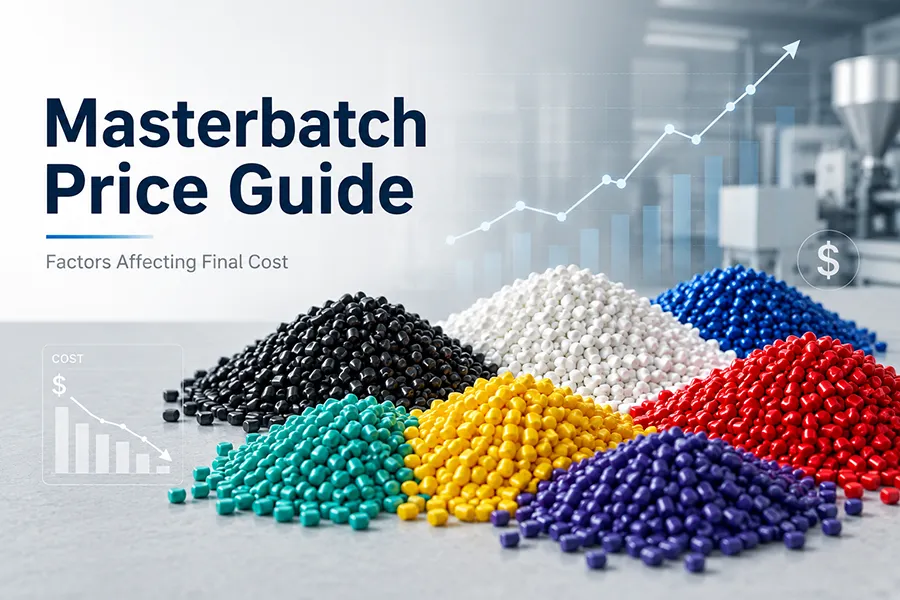
Masterbatch, as a key raw material, is widely used in the plastics industry. With the continuous development of the global market, masterbatch prices fluctuate accordingly. Color masterbatch is a granular material made by mixing various additives, fillers, and a small amount of carrier resin. There are many types of masterbatch on the market, with varying prices and quality. So, what factors influence its price?
1. Factors Affecting Masterbatch Prices
- Raw Material Costs
The price of masterbatch is directly affected by the cost of raw materials. Raw material costs include organic pigments, plastic substrates, and energy consumption during the production process. When raw material costs rise, masterbatch prices will rise accordingly.
- Market Supply and Demand
The supply and demand relationship in the masterbatch market is one of the main factors affecting price fluctuations. If market demand exceeds supply, prices will rise. Conversely, if supply exceeds demand, prices will fall.
- Carrier Resin
The reason for the large price differences in masterbatch is that production costs depend on the carrier resin. The carrier resin content is relatively small, generally between 10% and 20% depending on the application of the masterbatch. To reduce production costs, manufacturers often use scraps of waste polyethylene and polypropylene plastics as carriers, resulting in price differences in masterbatch.
- Brand and Quality
Well-known brand masterbatches are usually more expensive due to their brand premium, while high-quality masterbatches are also relatively more expensive due to their guaranteed quality.
- Pigment Type and Quality
Different types of pigments have different prices, with high-quality pigments often being more expensive. Furthermore, masterbatches with special colors have more complex production processes and are therefore more expensive.
- Technological Innovation
Technological innovation in the masterbatch industry also has a certain impact on prices. Technological advancements can improve production efficiency and reduce costs, thus affecting product prices.
- Market Competition
Market competition is an important factor in pricing. When market competition is fierce, companies may lower prices to attract customers in order to gain market share.
- Market Factors
In recent years, the country has vigorously promoted environmental protection policies, and technologies with environmental and energy-saving advantages have begun to play a significant role, also driving price fluctuations in this industry.
2. Market Demand for Masterbatch
In recent years, China’s color masterbatch industry has maintained a steady development trend. According to relevant industry statistics, from 2017 to 2020, my country’s total domestic output of color masterbatch was 1.523 million tons, 1.648 million tons, 1.8 million tons, and 1.934 million tons, respectively, with continuous expansion in output and rapid industry growth. By 2021, driven by increased demand from downstream sectors such as plastic products, packaging materials, daily necessities, automobiles, home appliances, and electronics, domestic color masterbatch output continued to rise, expected to reach approximately 2.073 million tons, and the industry as a whole entered a stable expansion phase.
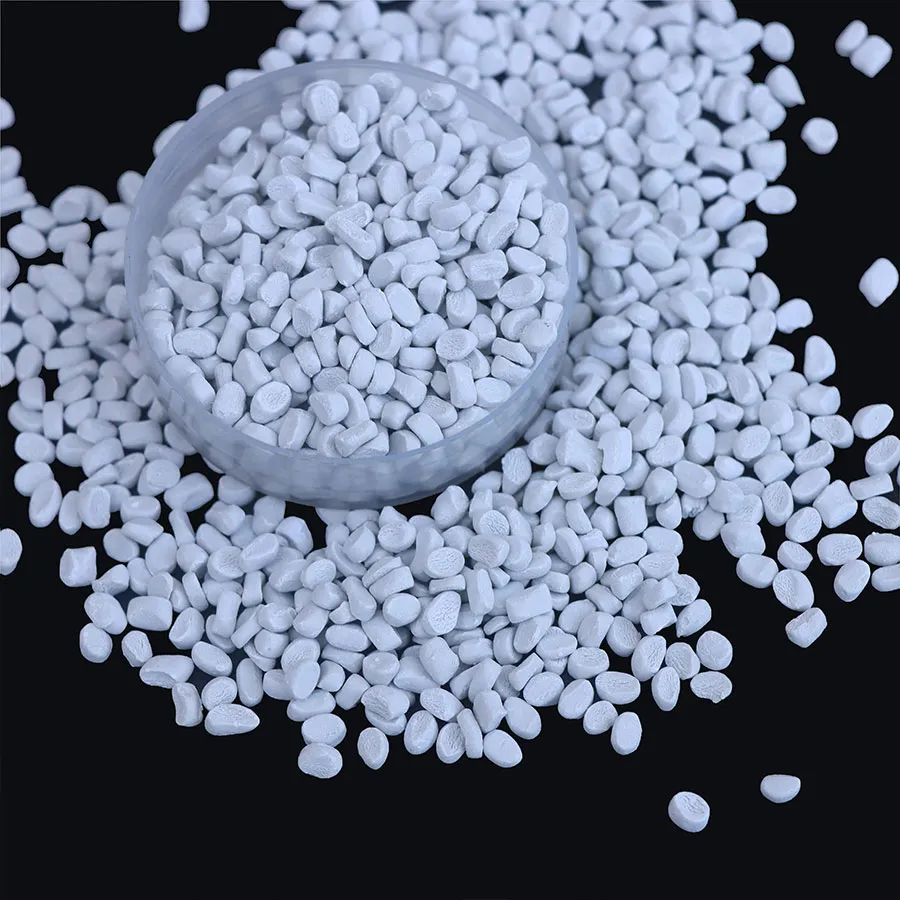
Since 2022, my country’s color masterbatch industry has continued to grow. According to Zhiyan Consulting, as of 2022, my country’s masterbatch production was approximately 2.285 million tons, including about 861,500 tons of white masterbatch, 746,900 tons of black masterbatch, 383,900 tons of colored masterbatch, 269,600 tons of functional masterbatch, and 23,100 tons of other types.
Entering 2023-2024, the focus of the masterbatch industry gradually shifted from simple output growth to product structure upgrading and market value enhancement. Overall, the domestic masterbatch industry maintained a large market size and continued to benefit from the stable development of the plastics products industry, the upgrading of end-use applications, and the increasing demand for functional masterbatches.
3. Price Differences Between Different Types of Masterbatch
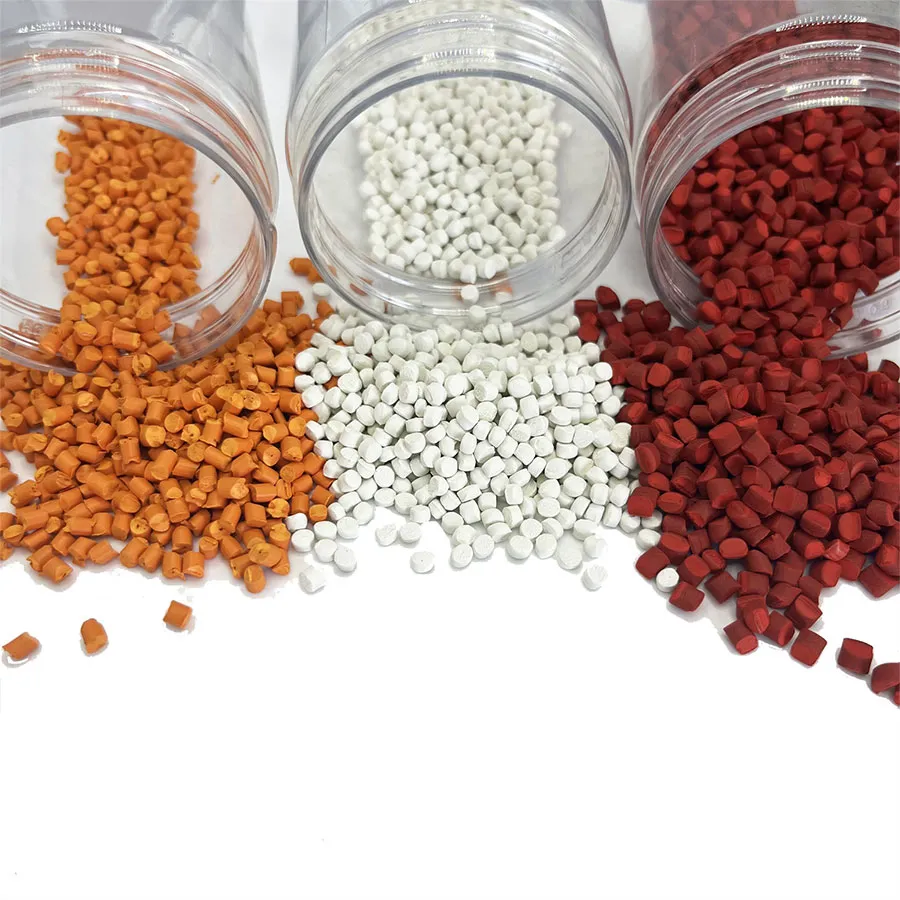
Currently, the main products in my country’s color masterbatch industry include colored masterbatch, white masterbatch, black masterbatch, and functional masterbatch. Different color masterbatch products have different market prices due to variations in manufacturing processes and costs. Based on current market price trends, colored and functional masterbatches are generally more expensive than white and black masterbatches, with prices exceeding approximately US$2,950 per ton, while white and black masterbatches are priced below approximately US$2,950 per ton.
According to official data, since 2017, the average price of functional masterbatch has consistently been higher than other categories. In the first half of 2020, the average price of functional masterbatch was approximately US$3,849/ton. The selling price of colored masterbatch products remained relatively stable at around US$3,540/ton, with an average market price of approximately US$3,495/ton in the first half of 2020. Black and white masterbatches, on the other hand, fluctuated between approximately US$2,507 and US$2,802/ton, with average prices of approximately US$2,684/ton and US$2,773/ton for white and black masterbatches respectively in the first half of 2020.
Price fluctuations in masterbatch are normal in the market. Generally, prices vary depending on materials, processes, and colors. For example, in the current market, masterbatch prices range from approximately US$1.47/kg to US$7.37/kg.
4. How to Calculate the Actual Cost of Masterbatch Use
When purchasing masterbatch, it’s crucial not only to consider the price per kilogram or ton but also to calculate the final cost based on the actual addition ratio. Different manufacturers and formulations of masterbatch vary in pigment content, dispersibility, tinting strength, and functional effects. A lower surface price doesn’t necessarily mean a lower actual cost.
Generally, the actual cost of masterbatch use can be calculated using the following formula: Cost of masterbatch per ton of plastic product = Masterbatch unit price × Addition ratio
For example, a common masterbatch might have a lower price but a recommended addition ratio of 5%; another high-concentration masterbatch might have a higher price but only a 2% addition ratio. In this case, although the second masterbatch has a higher purchase price, the lower addition ratio may result in a lower cost per ton of plastic product.
Besides the addition ratio, the impact of masterbatch on production stability must also be considered. High-quality masterbatch typically has better dispersibility and compatibility, reducing issues such as color spots, color differences, streaks, and unmelted particles, thus lowering scrap rates and rework costs. Meanwhile, a stable supply of masterbatch products can reduce setup time, improve production efficiency, and make overall operating costs more controllable.
Summary
The price of masterbatch is affected by the variety of raw materials and market trends. Manufacturers who want to gain a market advantage must start from the source, carefully selecting raw materials, controlling costs, and improving product competitiveness.