
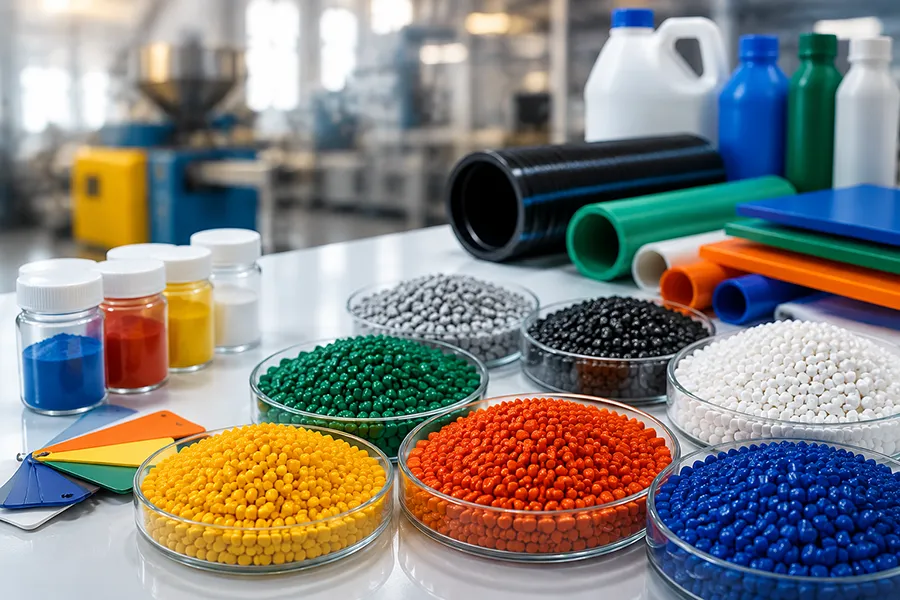
What Are Masterbatches? While many people may not be familiar with the term “plastic masterbatch,” its applications are ubiquitous in our daily lives. Whether in the fields of packaging, automotive, construction, electronics, or agriculture, masterbatches play an indispensable role. Understanding the definition and significance of masterbatches is crucial for enhancing product quality, controlling costs, and enabling functional customization.
1. What is a Masterbatch?
A masterbatch is a highly concentrated plastic additive system, typically produced by uniformly dispersing and granulating pigments, functional additives, or fillers (such as calcium carbonate, CaCO₃) within a carrier resin. During the plastic processing stage, masterbatches are simply added to the base resin in a specific ratio to achieve coloration, performance modification, or cost optimization.
Simply put, a masterbatch acts as the “secret ingredient” in a plastic production formula. It not only ensures color consistency but also significantly improves the performance and stability of plastic products, making it an indispensable key material in modern plastic manufacturing.
Fundamentally, the significance of masterbatches lies in their ability to alter the appearance and performance of plastic materials efficiently and stably through a standardized and centralized approach.
2. Main Components of a Masterbatch
The basic components of a masterbatch include pigments or dyes, a carrier resin, dispersing agents, and various additives. Pigments or dyes provide the desired and specific characteristics, while the carrier resin serves to disperse the pigments and ensure their uniform distribution. Dispersing agents facilitate the uniform dispersion of pigments and prevent re-agglomeration; ideally, their melting point should be lower than that of the resin to ensure better compatibility. Furthermore, to meet diverse customer requirements, color masterbatches may also incorporate additional additives such as flame retardants, optical brighteners, antimicrobial agents, and others.
3. What Are the Common Types of Masterbatches?
Based on their function and intended application, masterbatches can generally be categorized into the following types:
3.1 Filler Masterbatches
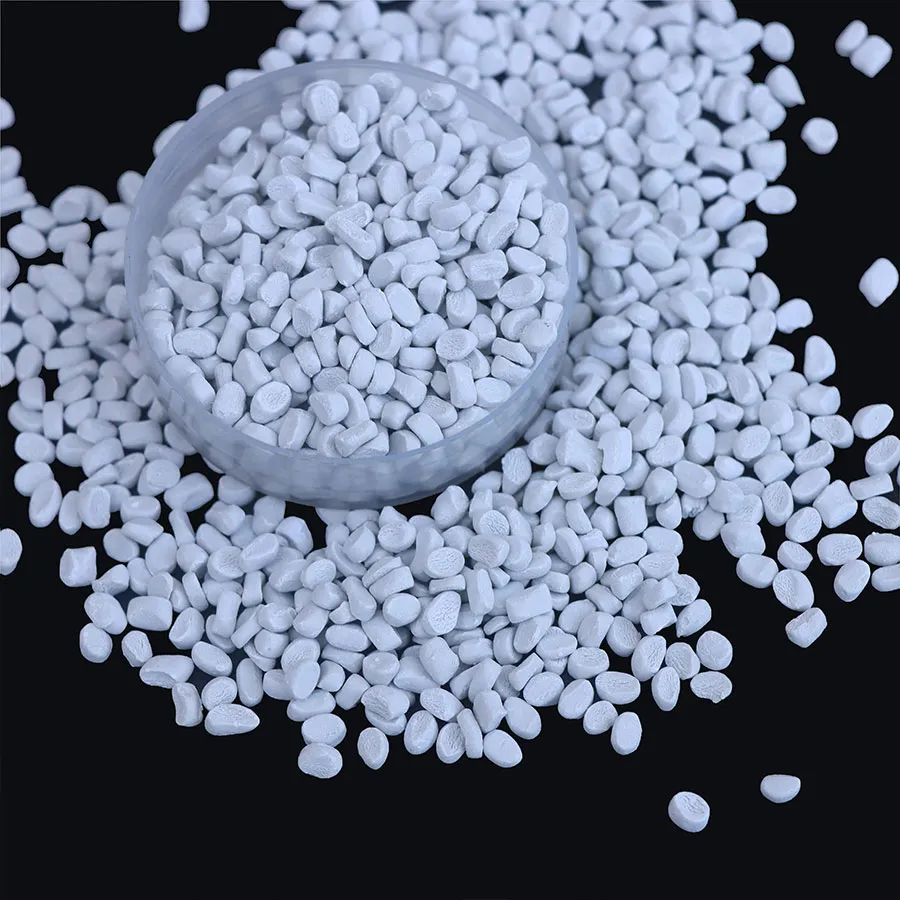
Filler masterbatches primarily consist of mineral fillers—such as calcium carbonate (CaCO₃) or talc powder—combined with a resin. They are widely utilized in the production of films, packaging materials, and injection-molded products. Its primary functions include:
- Reducing raw material costs and minimizing the consumption of virgin plastics;
- Enhancing the rigidity and dimensional stability of finished products;
- Improving processing performance and reducing shrinkage and deformation.
Understanding the role of filler masterbatches in plastic production helps enterprises achieve a higher cost-performance ratio while simultaneously ensuring product performance.
3.2 Color Masterbatches
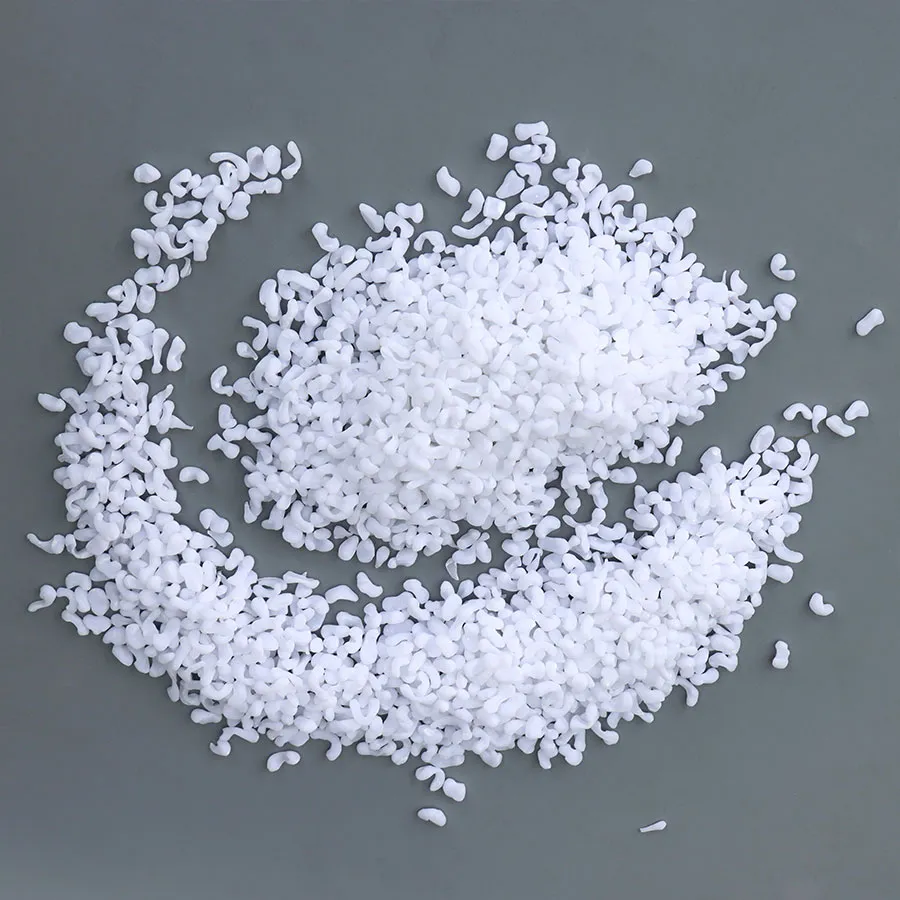
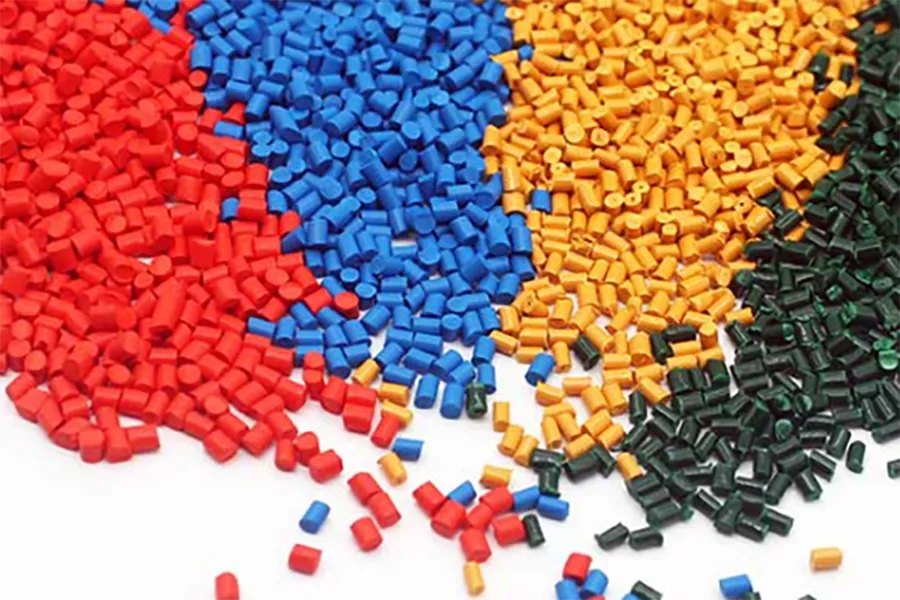
Coloring masterbatches are used to impart stable, vibrant, and consistent colors to plastic products. Nuoxin offers a wide range of colored masterbatches to its clients, including black, white, blue, and green varieties. By ensuring the uniform dispersion of high-quality pigments within the resin matrix, these masterbatches guarantee that the finished product’s color remains stable and free from deviation.
Coloring masterbatches are widely utilized in:
- Housings for consumer electronics;
- Branded packaging;
- Home appliances, daily necessities, and industrial products.
Compared to the direct addition of pigment powders, coloring masterbatches offer distinct advantages in terms of environmental friendliness, safety, and color consistency.
3.3 Functional Masterbatches
Functional masterbatches are designed to endow plastics with specific functional attributes. Depending on the specific formulation, they can deliver a variety of performance enhancements, such as:
- Resistance to UV aging;
- Flame retardancy;
- Enhanced oxidation resistance and durability.
By incorporating functional masterbatches, plastic products can be adapted to withstand more complex and demanding operating environments. Consequently, a precise understanding of the significance of functional masterbatches is crucial for the effective customization of product performance.
4. Why Are Masterbatches So Important in Plastic Manufacturing?
By judiciously selecting filler, coloring, and functional masterbatches, manufacturing enterprises can:
- Meet stringent technical and regulatory requirements;
- Enhance product aesthetics and brand image;
- Effectively reduce overall production costs;
- Improve material utilization efficiency and sustainability.
Whether the requirement involves UV resistance for packaging materials, color stability for consumer goods, or enhanced structural strength for construction materials, masterbatches provide key solutions.
Fundamentally, a masterbatch is a highly efficient, pre-engineered formulation system designed specifically for plastic processing. By enabling the concentrated addition of additives, it facilitates the precise control of plastic properties; this not only ensures consistent quality but also assists enterprises in achieving scalable production and effective cost management. Masterbatches are often regarded as the “unsung heroes” of the plastics manufacturing process, yet they play a decisive role in the quality of the final product.
5. Key Application Areas for Masterbatches
Due to their high degree of flexibility and stability, masterbatches are widely utilized across numerous industries.
5.1 The Packaging Industry
In the packaging sector, masterbatches serve not only to impart color but also to fulfill the crucial role of enhancing functionality;
Color masterbatches ensure color consistency across brand packaging, thereby boosting visual recognition;
Functional masterbatches enhance packaging durability, UV resistance, and barrier properties, thereby extending product shelf life;
Within the packaging industry, the significance of masterbatches extends beyond mere aesthetic appeal to encompass product safety and practical performance.
5.2 The Automotive and Construction Industries
The automotive and construction sectors impose extremely rigorous requirements regarding material weather resistance and stability;
Functional masterbatches enhance the heat resistance and anti-aging capabilities of components;
Color masterbatches ensure visual consistency across different parts;
Masterbatches help products maintain long-term stable performance and aesthetic integrity, even within complex environments.
5.3 Consumer Goods and Electronics
In sectors such as household goods and electronic enclosures, masterbatches not only determine a product’s appearance but also directly influence its service life and safety compliance. In this domain, the concept of masterbatches has evolved beyond simple “coloring” to represent functionality, quality assurance, and market competitiveness.
5.4 The Agricultural Sector
In agricultural applications, masterbatches are widely used in:
- Greenhouse films;
- Mulch films;
- Agricultural irrigation systems.
Relevant functional additives enhance UV resistance, improve light transmission, and aid in moisture retention—factors that ultimately contribute to increased crop yields and improved agricultural production efficiency.
6. Why Not Use Pigments and Dyes Directly?
6.1 Dispersibility and Matchability
During the masterbatch manufacturing process, pigments undergo a refinement treatment to enhance their dispersibility and tinting strength. The carrier material used in specialized masterbatches is identical to the specific type of plastic used in the final product, ensuring excellent compatibility; consequently, upon heating and melting, the pigment particles disperse seamlessly throughout the plastic matrix of the finished article.
6.2 Quality Protection and Storage Stability
When pigments and dyes are used directly, they come into direct contact with the air during storage and processing; this exposure can lead to issues such as moisture absorption and oxidation. However, when converted into masterbatches, the resin carrier acts as a barrier, isolating the pigments from air and moisture, thereby preserving the quality of the pigments over the long term.
6.3 Operational Convenience and Production Safety
Furthermore, since raw pigments and dyes are typically in powder form, they can create a messy production environment, are difficult to handle, and generate airborne dust—factors that directly pose risks to human health.
In contrast, masterbatch granules are similar in size and shape to resin pellets, making them easier to weigh and measure accurately. They do not adhere to mixing containers and blend more uniformly with the resin; this ensures consistency in the additive dosage, thereby guaranteeing color stability in the final product.
Summary
In conclusion, gaining a deep understanding of the significance and importance of masterbatches in modern plastics manufacturing is invaluable for enhancing product performance, aesthetics, and functionality. As an indispensable material within the plastics industry, masterbatches play a pivotal role in driving the high-quality development of the sector.
Common Questions About Masterbatches
1. Which plastic processing techniques can utilize masterbatches?
Masterbatches can be used in a wide variety of processes, including injection molding, film blowing, blow molding, extrusion, wire drawing, calendering, sheet extrusion, pipe extrusion, and plastics modification. Different processing techniques impose varying requirements regarding the dispersibility, flow properties, and thermal stability of the masterbatch. For specific details, please refer to the following: Nuoxin Plastic Masterbatch Applications
2. What is the typical addition ratio for masterbatches?
The appropriate addition ratio should be determined based on the specific requirements of the final product and the usage instructions provided for the masterbatch, ensuring that the desired coloring effect is achieved. The common addition ratio for color masterbatches typically ranges from 1% to 5%; for filler masterbatches, this ratio may be higher. The exact dosage should ultimately be determined based on the results of preliminary testing.