
Against the backdrop of frequent fluctuations in raw material prices and constantly shrinking profit margins, plastic processing enterprises face a core challenge: how to ensure stable product performance while simultaneously controlling costs? Plastic filler masterbatch represents one of the key technological pathways to resolving this issue. This article will systematically analyze how filler masterbatch achieves the goal of “reducing costs without compromising quality,” examining it from the perspectives of underlying principles, cost structures, application strategies, and practical case studies.
1. What is Filler Masterbatch?
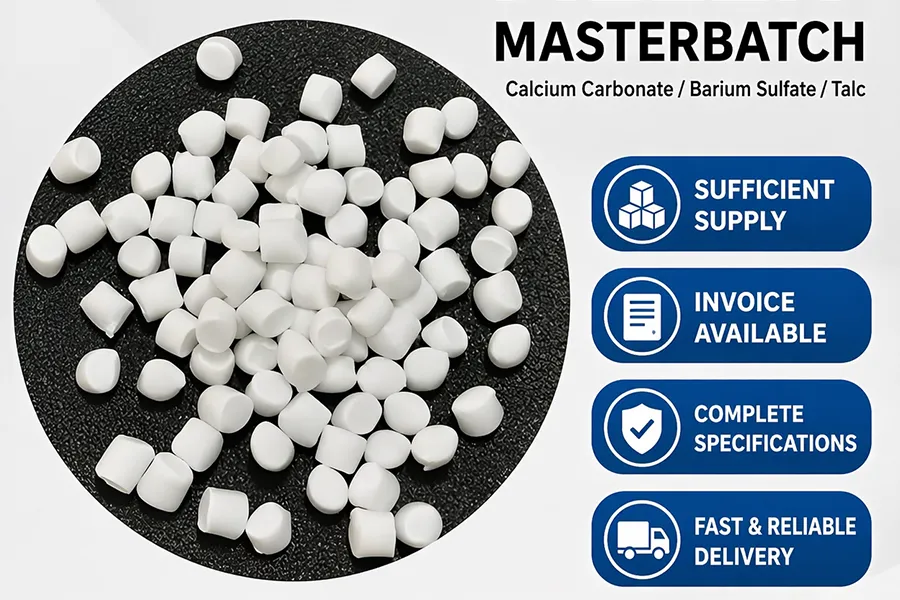
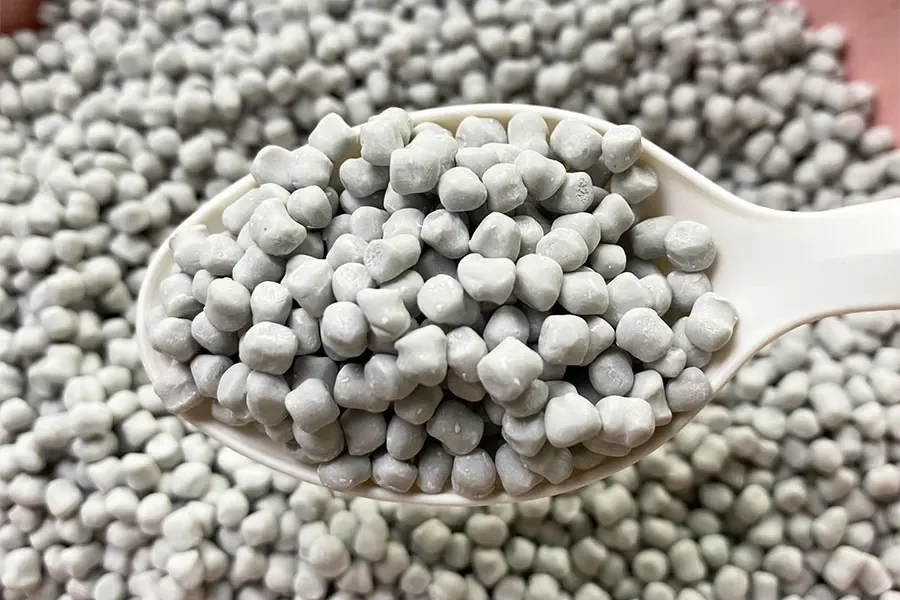
Filler masterbatch pellets are akin to the “starch” in industrial recipes—they are concentrated granules centered around inorganic powders (such as calcium carbonate or talc), which have been pre-dispersed within a plastic carrier through specialized processing techniques. When these pellets are blended with virgin plastic raw materials, they uniformly release the filler content; this process not only preserves the plastic’s flow properties but also significantly reduces raw material costs. Typical filling ratios range between 20% and 40%, and common plastics—such as PP and PE—serve as excellent partners for this material.
Composition of Plastic Filler Masterbatch
Polyolefin-based plastic filler masterbatch consists of three primary components: a carrier resin, a filler, and various additives. Among these, the filler constitutes the major component, accounting for up to 90% of the total composition.
- Filler
Typically consists of inorganic fillers such as heavy calcium carbonate, talc, or kaolin. Generally, the finer the particle size of the filler, the better its dispersion effect.
- Carrier Resin
Usually selected for its excellent compatibility with the base matrix resin (e.g., polypropylene or polyethylene), comprising approximately 10% to 20% of the composition.
- Additives
Include dispersants (such as polyethylene wax or coupling agents) and surface treatment agents, which help to improve processing flowability and enhance the dispersion of the filler.
2. Advantages of Filler Masterbatch
- Cost Control
The cost of filler materials is typically less than one-third that of plastic resins, thereby effectively diluting overall raw material costs.
- Performance Modification
Certain mineral fillers can enhance the plastic’s rigidity, heat resistance, or dimensional stability.
- Environmental Value
Reduces the consumption of virgin plastics; furthermore, certain fillers can facilitate material degradation.
- Process Optimization
Pre-dispersed pellets are easier to blend than directly added powders, thereby reducing dust contamination during processing.
3. The Logic Behind Cost Reduction via Filler Masterbatch
The most intuitive benefit of using plastic filler master batch is simply “saving money.” It acts as a “little helper” within the realm of plastics, substituting a portion of raw plastic materials—such as PE or PP resins—with natural minerals like calcium carbonate and talc. This approach not only preserves the fundamental properties of the plastic but also drives production costs down significantly. For instance, when manufacturing plastic bags, incorporating a 20% ratio of filler master batch can reduce costs by 15% to 20%, while the bags remain robust and durable. This ability to “achieve great results with minimal expenditure” has made plastic filler masterbatch a highly sought-after commodity among plastic processing plants.
3.1 Raw Material Substitution Effect
The price of resins (such as PE and PP) is significantly higher than that of inorganic fillers:
| Material Type | Reference Price (USD/ton) |
| PE / PP | 900 – 1,300 |
| CaCO₃ | 80 – 150 |
By replacing a portion of the resin with fillers, the unit cost can be significantly reduced.
3.2 Cost Model Comparison
| Formulation Plan | Resin Ratio | Filler Masterbatch Ratio | Cost Per Ton (USD) |
| Pure Resin | 100% | 0% | 1,100 |
| Low-Filled | 80% | 20% | 920 |
| Medium-Filled | 70% | 30% | 830 |
| High-Filled | 60% | 40% | 740 |
Cost reductions can reach up to 30% or more.
4. Recommended Addition Ratios for Filler Masterbatch in Various Applications
- PE Blown Film: 8%–10%;
- Disposable Food Containers, Milk/Yogurt Cartons, Strapping Bands (PP): 30%–60%;
- Cast Film/Lamination, Food Packaging Film, Garbage Bags, Woven Bags, Shopping Bags: 20%–50%;
- Extrusion Molding, Hollow Molding (LDPE): 10%–40%;
- Machine/Manual Strapping, Self-Adhesive Coatings, Paper Coatings, Injection Molding (LDPE): 10%–40%;
- Foamed Sheets/Products (PP): 20%–30%; (PE): 15%–30%;
- Hollow Blow-Molded Products (Oil Drums, Plastic Barrels/Bottles) (HDPE): 10%–40%; (PP): 20%–40%;
- Plastic Trays/Basins, Switch Boxes, Plastic Toys, Cosmetic Containers (HDPE): 10%–30%; (PP): 20%–30%;
- Plastic Curtains, Plastic Pipes/Tubing, Sheets, Placemats (PS): 15%–30%; (ABS): 10%–25%.
Specific addition ratios should be determined based on the final performance requirements of the product and the specific type of plastic filler masterbatch being used.
5. Analysis of Actual Corporate Benefits
| Item | Before Use | After Use |
| Raw Material Cost | $1,100/ton | $820/ton |
| Product Pass Rate | 92% | 95% |
| Profit Margin | 8% | 18% |
Plastic filler masterbatches not only reduce costs but may also enhance overall profitability.
Summary
Filler masterbatch is not merely a “cheap substitute,” but rather a critical tool that achieves a balance between cost and performance through the optimization of materials engineering.
For plastic processing enterprises, the true competitive advantage lies not simply in whether or not they utilize plastic filler masterbatch, but rather in how scientifically and effectively they apply it. If you have any related needs, please feel free to contact us!