
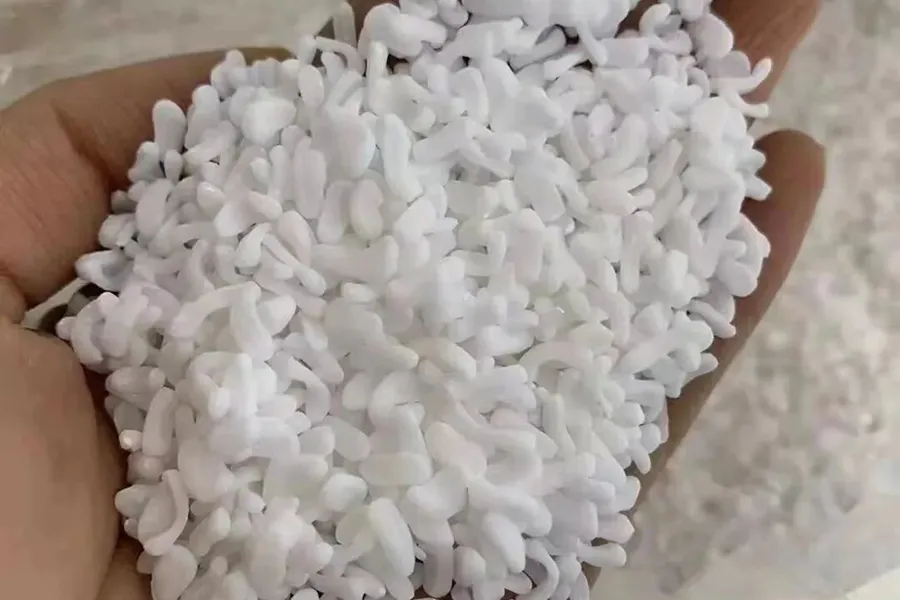
In the plastics processing industry, filler masterbatch is a very common modified material. Whether for plastic packaging, blown film, injection molding, extrusion, pipes, sheets, or daily necessities and industrial plastic products, filler masterbatch is widely used to reduce raw material costs, improve processing performance, enhance dimensional stability, and optimize product appearance.
1. What is Filler Masterbatch?
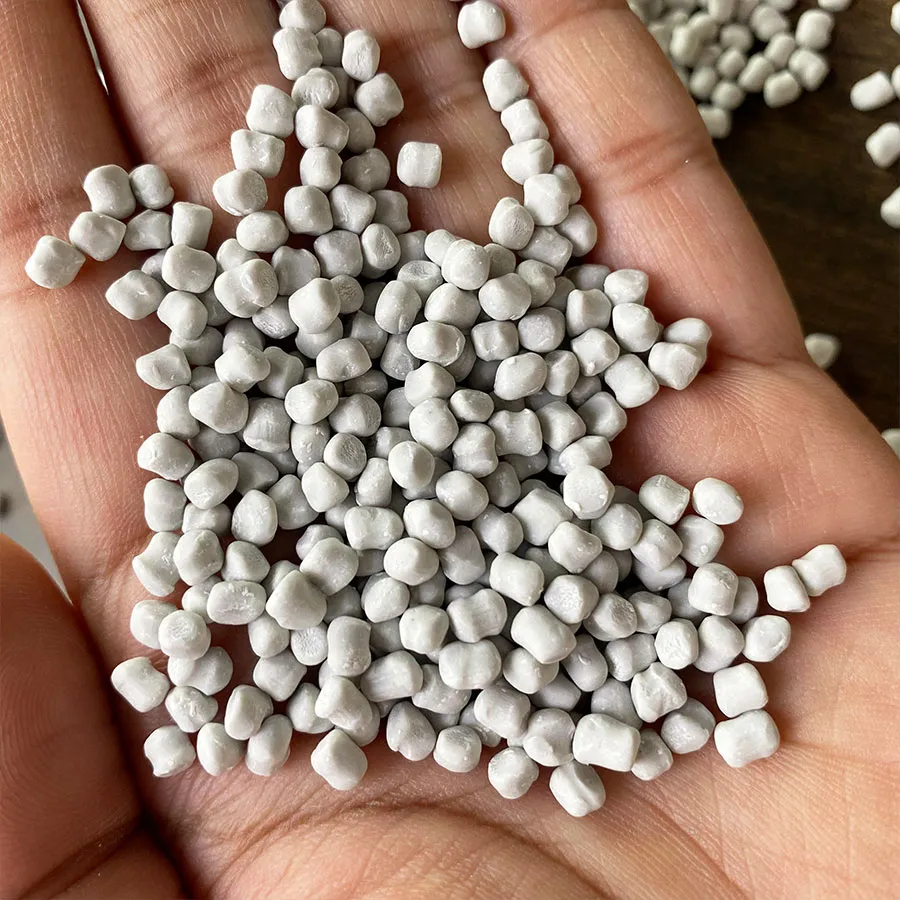
Plastic filler masterbatch may be unfamiliar to many. It refers to the granules or powders obtained during the plastics processing and molding process by mixing various additives and fillers with a small amount of carrier resin for ease of operation.
2. Applications of Plastic Filler Masterbatch
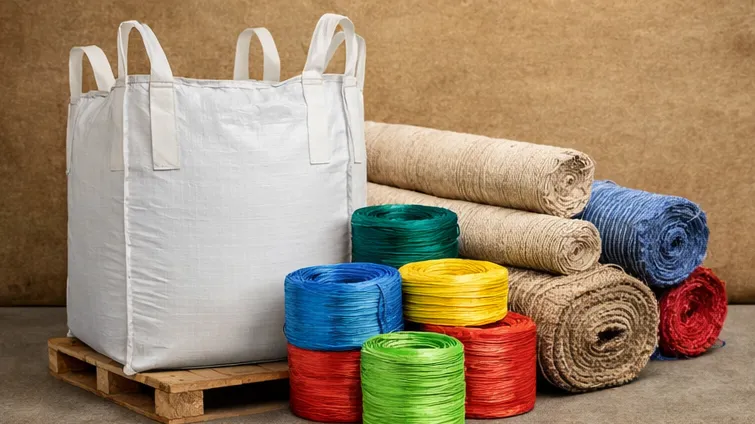
Plastic filler masterbatch is generally used to process plastic films, garbage bags, shopping bags, vest bags, packaging bags, etc. It has good dispersibility, produces blown films without white or black spots, has high fineness, and ensures the gloss and toughness of the finished products. It is mainly suitable for filling and modifying woven bags, packing straps, hollow products, pipes, sheets, injection molded products, and plastic fast food boxes, improving the performance of plastic products and reducing product costs.
3. Plastic Filler Masterbatch Carrier
Plastic filler masterbatch is composed of carrier resin, fillers, and various additives. The limits of additives or the content of fillers in the masterbatch are several to ten times higher than the required amount in the actual plastic product. During the molding process, the ratio of masterbatch to matrix resin must be adjusted according to the content of relevant components in the masterbatch and the amount required in the actual product. Masterbatch can generally be divided into ordinary filler masterbatch (referred to as filler masterbatch) and functional masterbatch, such as color masterbatch, anti-fog masterbatch, etc.
4. Precautions for Using Filler Masterbatch
- It affects product quality, mainly referring to toughness.
- It increases the specific gravity of the product.
- It affects the color of the product. Even transparent filler masterbatch will more or less affect the transparency. The more it is added, the greater the impact; the thicker the product, the greater the impact.
5. Advantages of Plastic Filler Masterbatch
- Reduced Costs
This advantage is the most common reason for manufacturers to choose it. Because filler masterbatch is inexpensive, it is not recommended to use it for materials below 5000.
- Reducing Product Shrinkage
A significant proportion of manufacturers choose this property. For example, PP has a high shrinkage rate. When making reinforced, thick-walled products, shrinkage marks often appear on the upper surface, affecting the product’s appearance. Adding fillers can effectively reduce shrinkage, significantly improving the surface smoothness.
- Increasing Specific Gravity
Relatively few manufacturers choose this reason, especially those selling products by weight. This is essentially a way to reduce costs indirectly.
- Increasing Product Hardness
Many manufacturers recommend using talc filler masterbatch, which can increase hardness by about 20%. This approach is quite common.
- Suitable for Any Color
Because filler masterbatch is pure white, it is suitable for plastic products of any color.
6. When Should Filler Masterbatch Be Used?
Filler masterbatch is not suitable for all plastic products. It is more suitable for products with specific requirements regarding cost, processing efficiency, rigidity, and dimensional stability.
6.1 When Product Production Costs Need to Be Reduced
If the product doesn’t have particularly stringent requirements for extremely high strength, transparency, or toughness, and production volume is large, then filler masterbatch can be considered.
Typical scenarios include:
- Ordinary plastic bags
- Garbage bags
- Courier bags
- Woven bags
- Single-use plastic products
- Ordinary injection molded parts
- Plastic sheets and plates
These products are usually cost-sensitive, and the appropriate use of filler masterbatch can enhance market competitiveness.
6.2 When Product Rigidity or Stiffness Needs to Be Increased
If the product itself is relatively soft, or requires better support, stiffness, and resistance to deformation, filler masterbatch can be considered.
Examples:
- Plastic boxes
- Injection molded pallets
- Home storage components
- PP sheets
- Packaging containers
- Industrial parts
In these applications, filler masterbatch is not only used to reduce costs but also as a means to improve physical properties.
6.3 When Product Requires Better Dimensional Stability
For injection molded parts, pipes, profiles, and sheets, shrinkage and deformation control are crucial. Appropriate filler can help reduce product warpage and improve dimensional stability.
For example, in some assembly-type plastic parts, large dimensional fluctuations can affect subsequent installation and use. In such cases, stability can be improved through appropriate filler masterbatch formulations.
6.4 When the processing requires greater stability
Some plastic processing companies use filler masterbatches to improve flowability and stability during extrusion, blown film, or injection molding.
For example, if the blown film bubble is unstable, uneven in thickness, or production speed is limited, adjusting the type and proportion of masterbatch can help improve the processing.
However, such optimizations require testing based on actual equipment, raw materials, and process parameters; blindly increasing the amount added is not recommended.
6.5 When product transparency requirements are not high
Most common filler masterbatches reduce the transparency of plastic products. Therefore, filler masterbatches are more effective if the product itself is white, translucent, light-colored, or opaque.
If the product is a highly transparent packaging film, highly transparent sheet, or optical material, a transparent filler masterbatch should be carefully selected and rigorously tested.
7. Typical Application Industries of Filler Masterbatches
Filler masterbatches cover a wide range of industries, primarily including:
- Plastic Packaging Industry: Used in shopping bags, garbage bags, express delivery bags, food packaging bags, etc., helping to reduce costs and improve processing efficiency.
- Injection Molding Industry: Used in daily necessities, storage boxes, buckets, basins, plastic furniture accessories, and general industrial parts.
- Extrusion Industry: Used in pipes, profiles, sheets, plates, etc., improving rigidity and dimensional stability.
- Nonwoven Fabric and Woven Bag Industry: Used to improve production economics and enhance material stiffness and processing performance.
- Agricultural Plastic Products: Used in agricultural films, mulch films, shade nets, seedling trays, etc.
- Industrial Plastic Products: Used in pallets, turnover boxes, packaging containers, and some non-high-precision structural parts.
Summary
Filler masterbatches are crucial cost optimization and performance tuning materials in plastic processing. They can help companies reduce resin usage, improve processing performance, enhance product rigidity and dimensional stability, and increase economic efficiency in mass production.
However, the use of filler masterbatches must be based on reasonable selection and scientific addition. Different products, different resins, and different processes have different requirements for filler masterbatches. Only by selecting the appropriate filler type, carrier resin, and addition ratio can product quality be guaranteed while reducing costs.