

In the field of plastic modification, PP master batches serve as auxiliary materials to optimize the performance of PP products and control raw material costs. Notably, barium content is a key indicator affecting the masterbatch’s performance. This article provides an objective analysis of the application value of PP masterbatches, focusing on their core characteristics and practical use cases.
1. What is a PP Master Batch?
During production, simply mixing the masterbatch with raw polypropylene at a specific ratio imparts the desired color, appearance, or functionality to the final product. Compared to the direct addition of powdered pigments and additives, masterbatches offer advantages such as ease of dosing, uniform dispersion, a cleaner production environment, and superior quality stability.
2. Main types of PP Master Batches
PP master batches are generally categorized based on their function and intended application:
2.1 Color Masterbatches
Used to provide stable, uniform color to polypropylene products; these include white masterbatches, black masterbatches, and various custom-colored masterbatches.
Color masterbatches feature high pigment content, vibrant colors, and excellent gloss. They offer outstanding heat resistance, corrosion resistance, and light stability. With top-tier quality and a comprehensive color range, they fully meet technical production requirements. Stable color consistency is particularly critical for applications such as injection-molded parts, packaging containers, and home appliance housings.
2.2 Filler Masterbatches
Manufacturers pre-mix and compound various additives and fillers with a small amount of carrier resin to create granules or powders known as masterbatches, making plastic processing and molding easier. Filler masterbatches primarily contain fillers and manufacturers mainly use them to process polyolefins such as polyethylene and polypropylene; therefore, the industry also refers to them as polyolefin filler masterbatches.
However, a higher filler ratio is not necessarily better. Excessive addition can compromise the product’s impact strength, surface quality, or elongation properties; therefore, the dosage must be selected based on the product’s structure and usage requirements.
2.3 Functional Masterbatches
Functional masterbatches impart additional properties to the product by incorporating specific additives into the polypropylene. Common types include toughening masterbatches and antibacterial masterbatches. Masterbatches with different functions can be used individually or combined based on product requirements, though the compatibility between various additives must be considered.
3. How Do Polypropylene Masterbatches Optimize PP Products?
3.1 Performance
Enhanced rigidity and heat resistance. When added to PP raw materials, a higher barium content helps improve the product’s rigidity and impact resistance. Taking home appliance casings as an example, PP products using an 82% barium masterbatch show an improvement of over 15% in drop resistance compared to products with lower barium content (around 70%). Additionally, the product’s heat resistance temperature increases by 5–8°C, making it suitable for applications requiring medium-to-high temperature processing or usage.
3.2 Cost
Reduced raw material consumption. To achieve the same filling effect, the required addition ratio for an 82% barium masterbatch is lower than that for a low-barium version. For instance, producing one ton of PP turnover boxes requires approximately 200 kg of 82% barium masterbatch, whereas 220 kg of 70% barium masterbatch is needed; this saves 20 kg of virgin PP resin, thereby lowering unit raw material costs during mass production.
3.3 Appearance
Optimized dispersion uniformity. The 82% barium masterbatch features high-purity barium content and fine particle size, ensuring excellent compatibility with PP resin. Duringprocessing, it is less prone to “white specks” caused by uneven dispersion, resulting in superior surface flatness and smoothness—ideal for products with specific aesthetic requirements.
4. Common Applications of PP Master Batch
Based on the characteristics mentioned above, PP masterbatches have clear applications across various sectors, particularly where there are combined requirements for performance, cost, and appearance:
4.1 Home Appliance Sector
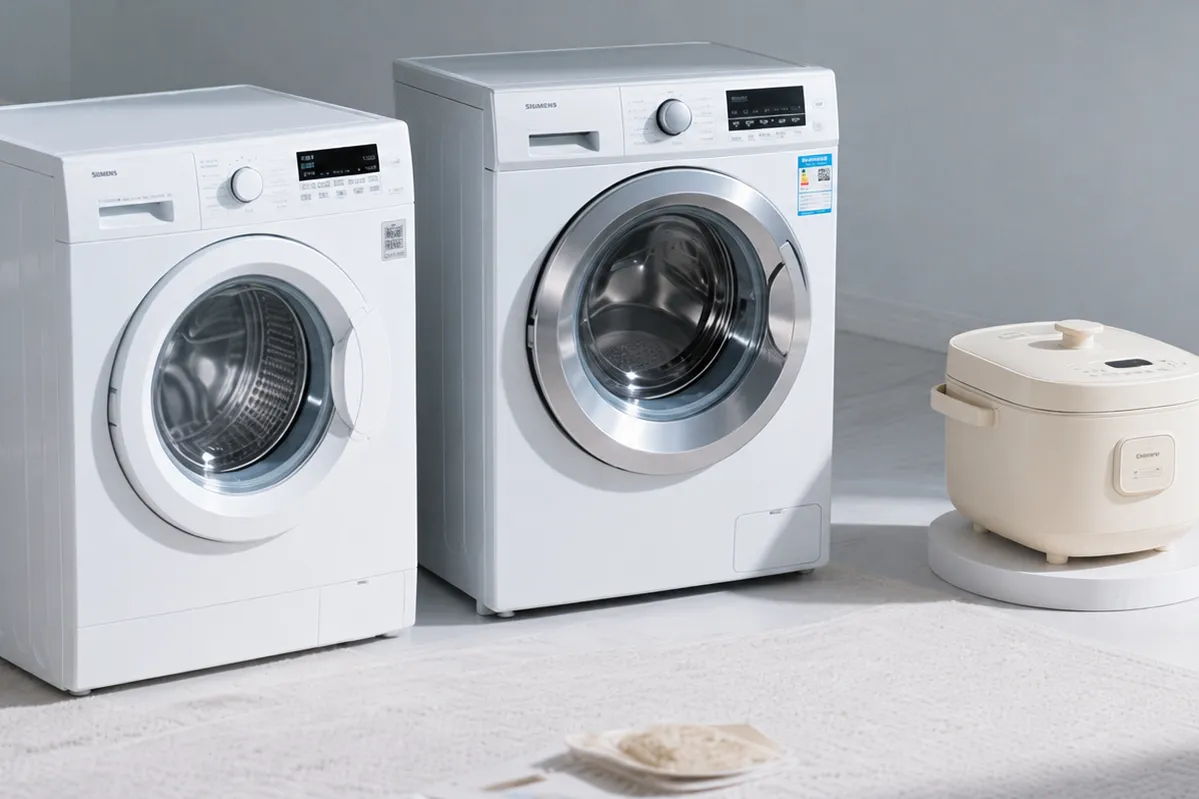
Used for components such as washing machine inner drums, air conditioner panels, and rice cooker casings. It enhances the impact resistance and heat resistance of these parts while meeting environmental standards (such as RoHS compliance) and satisfying the durability requirements for long-term use in home appliances.
4.2 Automotive Interior Sector
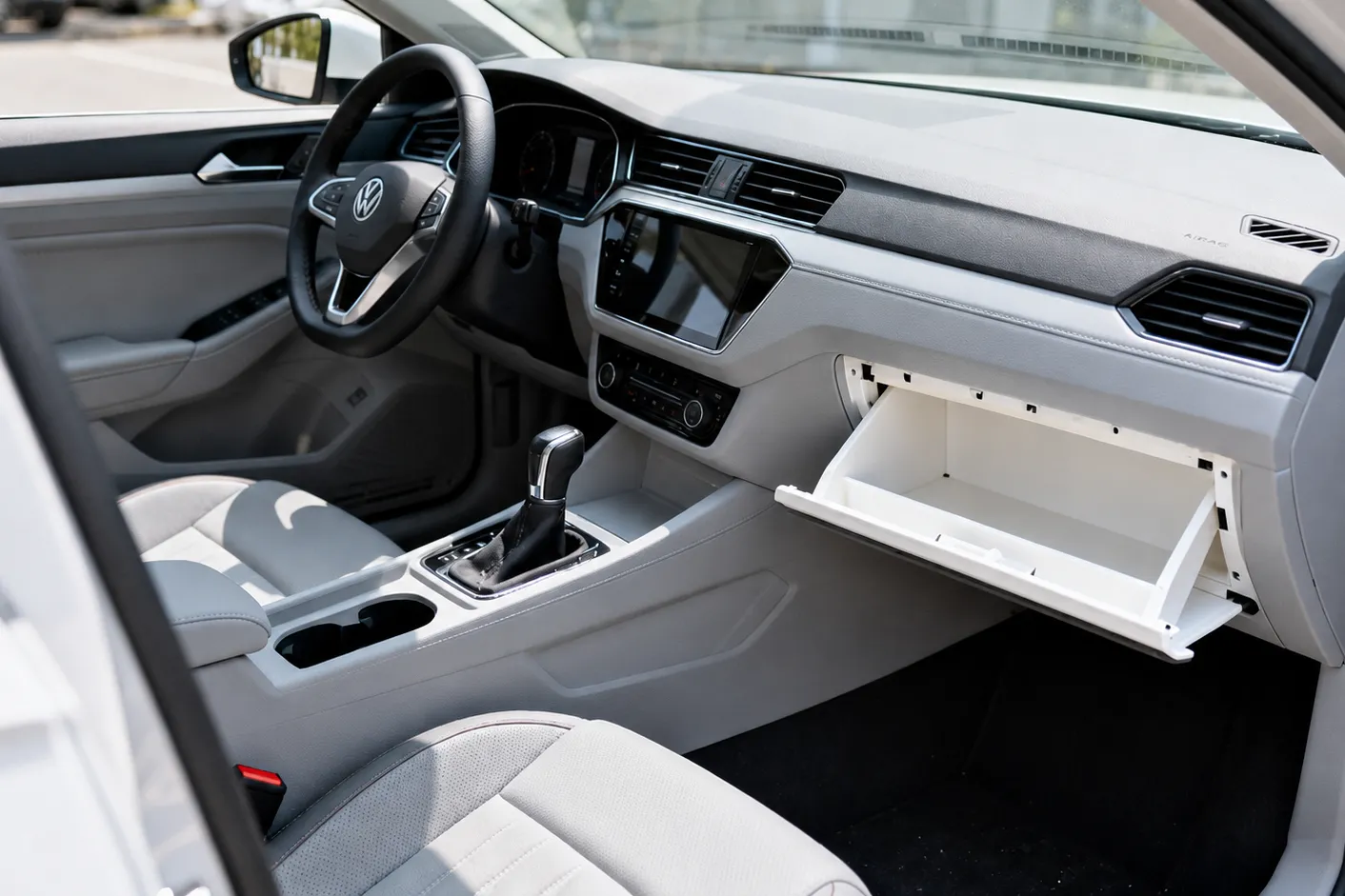
Applied to components such as car door panels and PP parts located beneath the dashboard. It provides a degree of rigid support for components while offering a cost advantage over glass fiber-reinforced PP materials; additionally, it causes less wear and tear on processing equipment and molds.
4.3 Packaging Sector
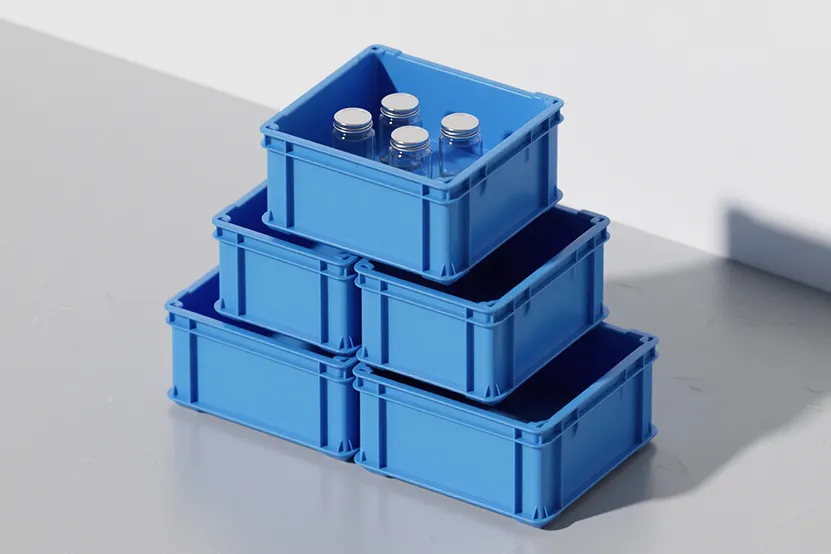
Suitable for products such as food-grade turnover crates and logistics pallets. Its inclusion enhances the load-bearing capacity and impact resistance of turnover crates, extends product service life, and reduces replacement costs for logistics consumables.
4.4 Construction Materials Sector
Used in products such as PP drainage pipes and ceiling panels. It enhances weather resistance, reducing aging and deformation caused by long-term outdoor exposure, while also increasing the compressive strength of pipes and lowering the likelihood of cracking during installation or use.

Conclusion
PP master batch is not merely a coloring agent but a vital tool for optimizing both the performance of PP products and the production process. The proper selection of color, filler, or functional masterbatches can improve product appearance, mechanical properties, weather resistance, and specialized functionality, while simultaneously enhancing processing stability.