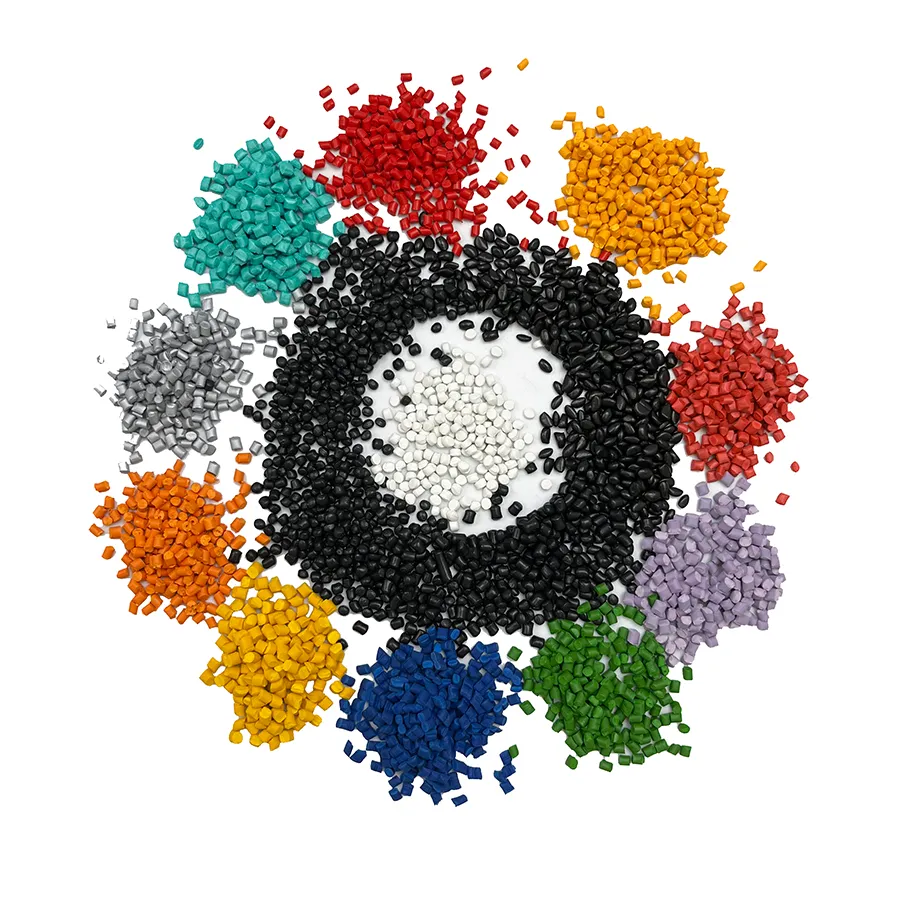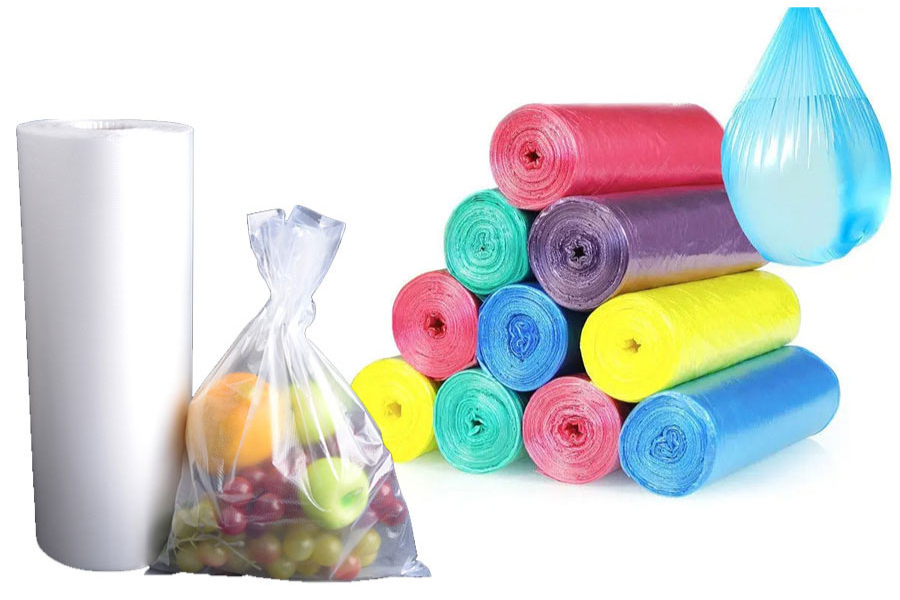
In the plastic packaging industry, product quality depends on how carefully you select your raw materials. Choosing the right blown film masterbatch is not only about color. It also affects film strength, bubble stability, and overall cost control.
Whether you are producing heavy-duty shipping bags or sensitive food packaging, the additives used in the extrusion process play a key role. They directly influence performance and can help you stay competitive in a crowded market.
Understanding the Core Components of Blown Film Production
The blown film process is very sensitive to thermal stability and dispersion. A low-quality masterbatch can cause defects such as fish eyes, gels, or frequent bubble breaks. These problems lead to material waste and production downtime.
To improve your results, it is important to clearly define your needs. These usually fall into three areas: functional performance, appearance, and cost efficiency.
Selecting the Ideal Film Color Masterbatch
When choosing a film color masterbatch, color and opacity are important. But matching the Pantone shade is only part of the job.
You also need to look at pigment loading. A good masterbatch has higher pigment content, so you can use a lower dosage and still get strong, even color.
Thermal stability matters as well. The pigments should stay stable during processing and not shift under high temperatures.
For outdoor use, UV resistance is a must. In applications like mulch film, adding UV stabilizers helps slow down aging and keeps the film performing longer.
Maximizing Efficiency with Filler Masterbatch for Film
To balance performance with production costs, many manufacturers utilize filler masterbatch for film. Typically based on calcium carbonate or talc, these fillers do more than just reduce costs.
1. Improved Rigidity: They provide better structural integrity to the thin film.
2. Enhanced Printability: The surface tension of the film is often improved, allowing for better ink adhesion.
3. Faster Cooling: The mineral content allows the film bubble to cool faster, potentially increasing your production speed by 20% to 30%.
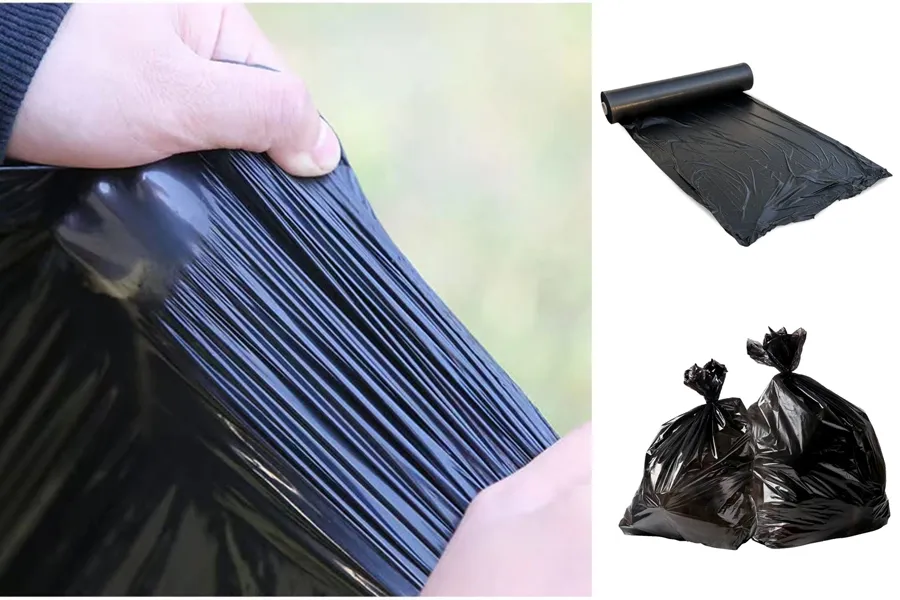
Solving Moisture Issues with Desiccant Masterbatch
Moisture is the enemy of high-quality extrusion. If your raw materials (especially recycled resins) contain trace amounts of humidity, you will face surface defects and bubbles. Integrating a desiccant masterbatch is a practical solution. This functional additive chemically bonds with moisture during extrusion, eliminating the need for expensive pre-drying processes. It is an essential component for maintaining a “99% defect-free” production rate when working with hygroscopic materials.
Technical Checklist for Professional Buyers
When evaluating a new blown film masterbatch supplier, always ask for the technical data sheet and pay close attention to a few key points.
First is the melt flow index. The MFI of the carrier resin should match your base resin, or be slightly higher.
This helps ensure smooth mixing during processing.
Next is dispersion quality. You can check this by asking for the filter pressure value. A low FPV means the particles are fine and less likely to block the screen.
If you are producing food packaging, food safety is essential. Make sure the masterbatch meets FDA or REACH requirements.
Conclusion: Optimizing Your Film Quality
Success in a competitive market starts with choosing the right additives. It is not only about production, but also about keeping your product and brand consistent.
>For color and opacity, a good masterbatch helps your film look clear and consistent from batch to batch.
>For efficiency, a filler masterbatch helps you balance strength and cost without overcomplicating the process.
>For reliability, a desiccant masterbatch helps reduce moisture-related issues and keeps production more stable.
In the end, better blown film masterbatches simply help you run smoother production, reduce waste, and keep quality consistent.