
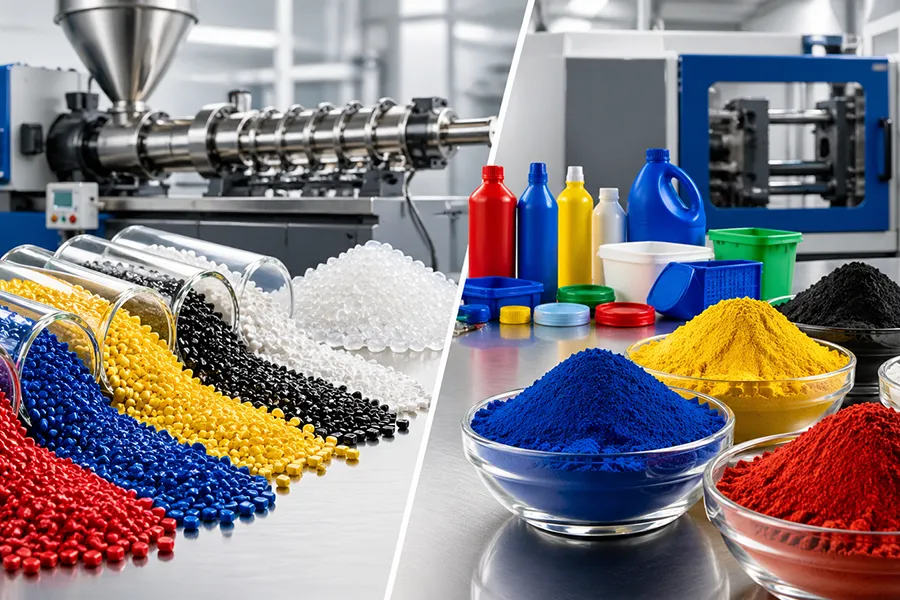
When it comes to plastic coloring methods, the two primary types of materials commonly used are colour masterbatches and pigments. Many plastic processing enterprises face a common dilemma when selecting a coloring solution: is it more appropriate to use raw pigments directly, or does the use of color masterbatches offer greater stability? While both appear capable of imparting color to plastic products, they exhibit distinct differences in terms of dispersion efficacy, ease of use, production environment requirements, cost control, color stability, and applicable scenarios.
This article will systematically analyze the differences between colour masterbatches and pigments—covering their definitions, compositions, processing methods, advantages and disadvantages, and application scenarios—to assist plastic manufacturers in selecting the coloring solution best suited to their specific processes and product requirements.
1. What Are Pigments?
A pigment is a powdery coloring substance used to impart color to materials. Typically, pigments are insoluble in plastic resins; instead, they are dispersed throughout the plastic matrix via mechanical mixing and processing, thereby giving the finished plastic product a specific color.
In the plastics industry, common pigments include organic pigments, inorganic pigments, carbon black, titanium dioxide, and others. Different pigments possess varying characteristics regarding color expression, opacity (hiding power), thermal stability, weather resistance, and migration resistance. For instance, titanium dioxide is frequently used for white plastic products; carbon black is commonly utilized for black products and outdoor plastic applications; while organic pigments are typically employed for plastic products requiring vibrant, vivid colors.
The advantages of using pigments include a wide range of color options, high tinting strength, and formula flexibility—making them ideal for professional color matching and large-scale industrial formula development. However, since most pigments exist in powder form, their practical application imposes stringent requirements on dispersion equipment, formulation expertise, and on-site operational management. If added directly to raw plastic materials without proper preparation, issues such as uneven dispersion, color spots, color deviations, and dust contamination may arise.
2. What Are Colour Masterbatches?
A colour masterbatch—also referred to simply as a “masterbatch” or “coloring masterbatch”—is a granular coloring material produced by processing pigments (or dyes), carrier resins, dispersants, and necessary processing aids through a series of steps, including high-speed mixing, melt extrusion, cooling, and pelletizing.
Simply put, a colour masterbatch can be understood as a “pre-dispersed concentrate of pigments.” It uniformly encapsulates and disperses powdered pigments within a resin carrier; downstream plastics processing enterprises need only add the masterbatch to their plastic raw materials in a specific ratio to achieve coloration.
The primary components of a masterbatch include:
Compared to using raw pigments directly, masterbatches offer distinct advantages such—as stable granular form, ease of metering and mixing, minimal dust generation, and excellent dispersibility—making them widely utilized in modern plastics processing.
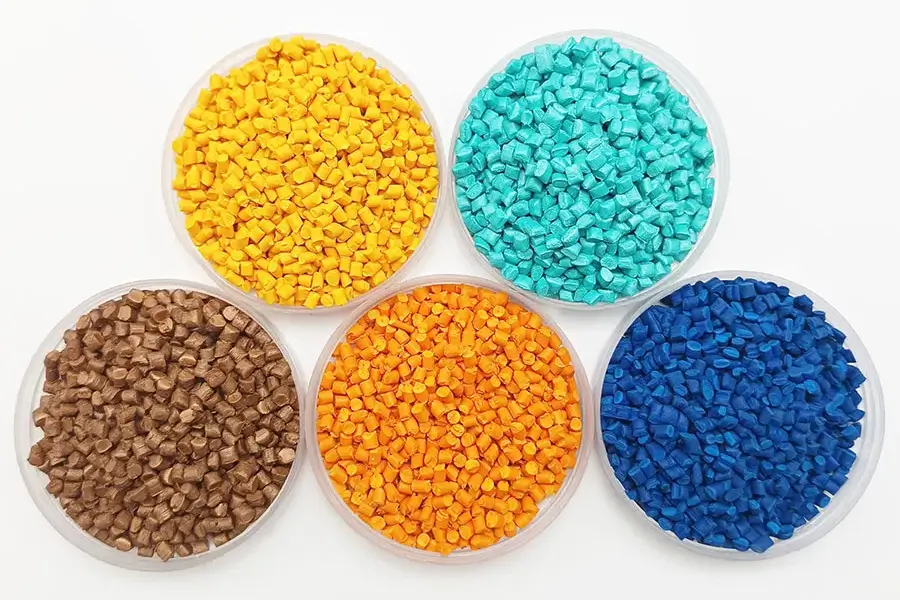
3. The Core Difference Between Masterbatches and Pigments
While both masterbatches and pigments can be used to color plastics, they are not the same product. Their fundamental difference lies in this: pigments are the basic coloring agents, whereas masterbatches are composite coloring materials that have undergone a pre-dispersion process.
| Comparison Item | Masterbatch | Pigment |
| Form | Granular | Predominantly powdery |
| Usage Instructions | Add to plastic raw materials in the specified proportion and process directly. | Must be thoroughly mixed with the resin and additives prior to use. |
| Dispersibility | Generally good; pre-dispersed. | Dependent on equipment and processing conditions; prone to agglomeration. |
| Production Environment | Low dust levels; relatively clean | Prone to dust generation |
| Dosing Convenience | Easy to weigh; suitable for automated feeding. | Powder dosing presents greater difficulty. |
| Color Stability | Good batch-to-batch stability | Highly susceptible to variations in mixing and dispersion conditions |
| Cost | The unit price is typically higher than that of pigments. | Raw material costs are relatively low. |
4. Advantages of Using Masterbatches
4.1 More Stable Dispersion
During the manufacturing process, masterbatches undergo high-shear kneading and dispersion treatments, ensuring that pigment particles are distributed relatively uniformly throughout the carrier resin. Consequently, during plastics processing, colour masterbatches blend more easily with the base material, thereby minimizing issues such as color spots, blotches, and streaks.
For continuous production processes—such as film blowing, injection molding, and extrusion—color stability is paramount. If the color intensity fluctuates (becoming alternately too dark or too light), it not only compromises the product’s aesthetic appeal but may also result in the entire production batch being scrapped. Masterbatches effectively mitigate such risks.
4.2 Greater Ease of Use
Masterbatches are granular in form—closely resembling standard plastic pellets—and can be mixed directly with plastic raw materials such as PE, PP, ABS, and PET. For downstream processing enterprises, this eliminates the need for complex pigment pre-treatment equipment or the separate handling of loose powdered pigments.
This is particularly advantageous for small and medium-sized plastics manufacturing facilities. Companies need only weigh, mix, and process the color masterbatch according to the recommended addition ratio to achieve coloration; the operational complexity is significantly lower than that associated with using raw pigments directly.
4.3 Cleaner Production Environment
During handling, weighing, and feeding operations, powdered pigments are prone to generating dust, which not only degrades the workshop environment but can also lead to cross-contamination. For instance, residual black or red pigment dust left on equipment, floors, or packaging bags can create complications during subsequent production runs involving different colors. Colour masterbatches are granular materials; they generate less dust, result in a cleaner workshop environment, and are better suited for use with automatic suction feeding, automatic metering, and centralized material supply systems.
4.4 Suitable for Automated Production
Modern plastics processing places increasing emphasis on continuity, automation, and stability. Masterbatch granules possess good flow properties, making them ideal for integration with automatic metering equipment, loss-in-weight feeding systems, and central material supply systems.
In large-scale production, colour masterbatches help companies minimize errors associated with manual weighing and improve the stability of additive ratios, thereby enhancing product consistency across batches.
4.5 Enables Integrated Color and Functionality
Masterbatches serve not only to impart color but can also incorporate functional additives—such as UV stabilizers, antioxidants, flame retardants, antistatic agents, antiblocking agents, and slip agents. This allows plastic products to acquire specific functional properties simultaneously with their coloration.
For instance, outdoor plastic piping can utilize black weather-resistant masterbatches; packaging films can employ colored masterbatches enhanced with antiblocking and slip properties; and automotive interior components can benefit from masterbatches engineered for high heat resistance and superior weatherability.
5. Advantages of Using Pigments Directly
While colour masterbatches offer convenience, pigments are not without their own merits. In certain specialized contexts, the direct use of pigments remains a valuable approach.
5.1 Greater Formulation Flexibility
As fundamental coloring agents, pigments allow companies to independently tailor formulations to suit specific resins, product types, and color requirements. For companies equipped with professional color-matching laboratories, compounding machinery, and technical expertise, using pigments directly enables a more flexible and agile approach to color development.
5.2 Potentially Lower Raw Material Costs
In terms of unit price, pigments are typically less expensive than colour masterbatches. For large-scale plastics compounding enterprises, masterbatch manufacturers, or factories possessing mature dispersion technologies, directly purchasing pigments for in-house formulation development may offer distinct cost advantages.
However, it is crucial to note that a low raw material cost does not necessarily translate to a low overall production cost. If dispersion is poor, leading to increased scrap rates, higher cleaning costs, or greater labor and management complexities, the final total cost may, in fact, end up being higher.
5.3 Suitable for Specialized Compounding and Masterbatch Production
For specialized manufacturers—such as masterbatch producers, plastics compounders, and companies involved in the spin-dyeing of chemical fibers—pigments serve as essential foundational raw materials for formulation development. They are equipped with twin-screw extruders, high-speed mixers, dispersion testing equipment, and expert technical personnel, enabling them to exercise superior control over pigment dispersion and formulation performance.
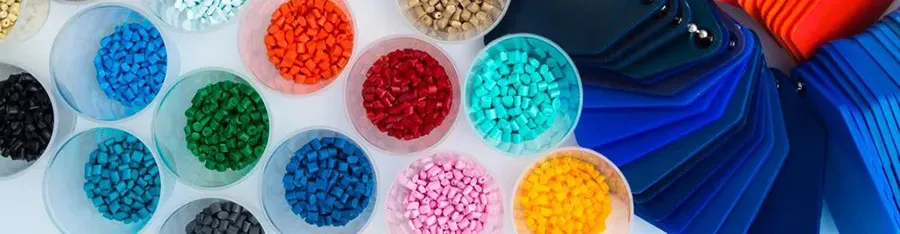
6. Disadvantages of Colour Masterbatches
While color masterbatches offer convenience in application, they do present certain limitations.
First, colour masterbatches must be compatible with the target plastic material. If an inappropriate carrier resin is selected, it may compromise the product’s mechanical properties, surface quality, or processing stability. For instance, using a color masterbatch with an incompatible PE carrier resin in PP products could introduce performance risks in certain demanding applications.
Second, the addition ratio of color masterbatches requires careful control. An insufficient addition rate may result in inadequate coloration, whereas an excessive rate can drive up costs and potentially degrade the performance of the plastic product.
Furthermore, for certain specialized colors or high-end applications, standard general-purpose colour masterbatches may fail to meet requirements, necessitating custom color matching and specialized testing.
7. Disadvantages of Pigments
The primary challenge associated with using raw pigments directly lies in dispersion. If pigment particles are not fully dispersed, they tend to form agglomerates, manifesting in the final plastic product as color spots, black spots, streaks, surface roughness, or uneven coloration.
Second, the handling of pigment powders during processing frequently leads to dust contamination, imposing stricter demands on workshop management, operator safety protocols, and equipment cleaning procedures.
Additionally, the direct addition of pigments places high demands on the experience level of production personnel. Different pigments exhibit varying degrees of thermal stability, migration resistance, opacity, and compatibility; without adequate formulation expertise, issues such as color instability and compromised product performance are prone to arise.
8. Which Is Better Suited for Plastic Coloring?
Based on the practical requirements of most plastic manufacturing enterprises, color masterbatches are generally better suited for plastic coloring than the direct use of raw pigments. This preference stems from the fact that colour masterbatches offer ease of use, superior dispersion, color stability, and a cleaner working environment—attributes that collectively serve to reduce operational complexity and mitigate production risks. Masterbatches are particularly recommended as the preferred choice in the following scenarios:
- Production of injection-molded products
- Production of blown films and packaging films
- Production of blow-molded bottles, drums, and containers
- Extrusion of plastic pipes and profiles
- Production of appliance housings and daily necessities
- Automated continuous production lines
- Orders requiring a high degree of color consistency
- Small to medium-sized factories lacking specialized color-matching and dispersion equipment
- Conversely, the direct use of pigments may be more appropriate in the following scenarios:
- Enterprises possessing specialized formulation development capabilities
- Those equipped with high-speed mixing, internal mixing, and twin-screw dispersion equipment
- Operations involving the production of masterbatches or modified plastics
- Requirements for highly customized, specialized formulations
- Situations where raw material cost control is extremely critical, and the capability exists to resolve dispersion issues
Therefore, colour masterbatches and pigments do not represent an absolute either-or choice; rather, each is suited to different production systems. For general plastic processing enterprises, masterbatches serve as a mature, stable, and user-friendly coloring solution; whereas pigments are better suited as foundational raw materials within specialized formulation systems.
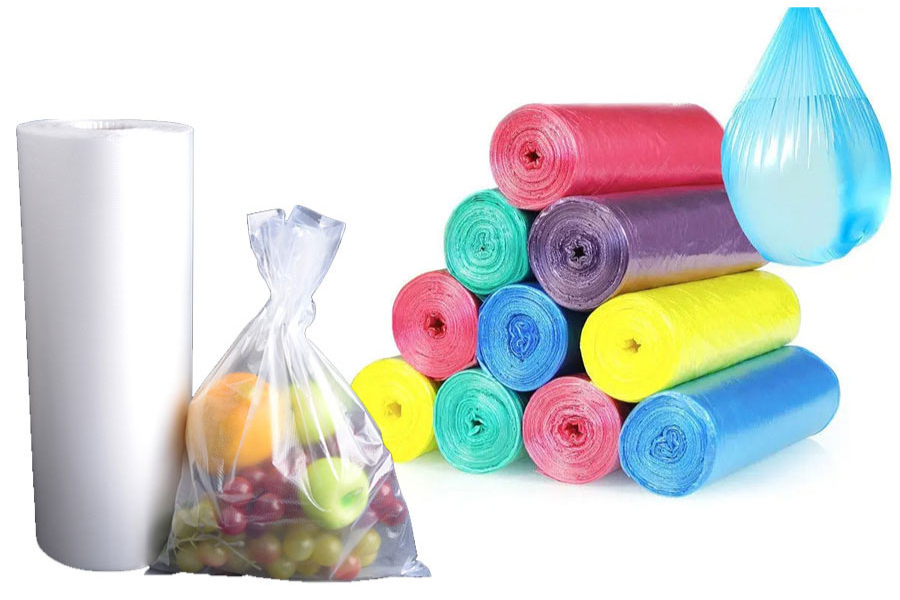
9. How to Choose the Right Coloring Solution?
When deciding between colour masterbatches and pigments, enterprises can evaluate their options based on the following factors:
9.1 Production Scale
For continuous, large-batch production, masterbatches are more conducive to maintaining color stability. For specialized formulation development or in-house compounding operations, pigments may be considered.
9.2 Equipment Capabilities
If an enterprise possesses only standard processing equipment—such as injection molding machines, blown film machines, or extruders—but lacks specialized dispersion equipment, the use of masterbatches is recommended. If the enterprise is equipped with twin-screw extruders, internal mixers, high-speed mixers, and similar machinery, pigments may be selected based on cost considerations and specific formulation requirements.
9.3 Product Requirements
For products with stringent aesthetic standards, high demands for color consistency, and strict customer acceptance criteria, the use of high-quality colour masterbatches is recommended. For products with less critical color requirements—or those requiring greater flexibility in formulation—pigments may be utilized depending on the specific circumstances.
9.4 Environmental and Workshop Management Requirements
If an enterprise prioritizes clean production, dust reduction, and the improvement of the working environment, color masterbatches are the more suitable choice. While pigment powders offer lower material costs, they present greater challenges in terms of on-site management and housekeeping.
9.5 Consider Total Cost
When selecting a coloring scheme, one must not focus solely on the unit price; it is equally important to consider factors such as scrap rates, color-change cleaning times, labor and management overhead, the risk of color-related customer complaints, equipment wear and tear, and production stability. In many instances, although the unit price of masterbatches may be slightly higher, their overall cost of use proves to be more controllable.
Summary
Broadly speaking, pigments serve as the foundational raw materials for coloring plastics, whereas colour masterbatches represent an industrialized solution derived from pigments that have undergone pre-dispersion and granulation processes. Pigments offer the advantages of formula flexibility and lower raw material costs, yet they impose stringent requirements on equipment, technical expertise, and on-site management. Masterbatches, conversely, boast a range of advantages, including ease of use, stable dispersion, excellent color consistency, minimal dust generation, and suitability for automated production environments. Nuoxin provides expert color-matching advice and customized color masterbatch solutions to help your plastic products achieve superior and more consistent quality.