
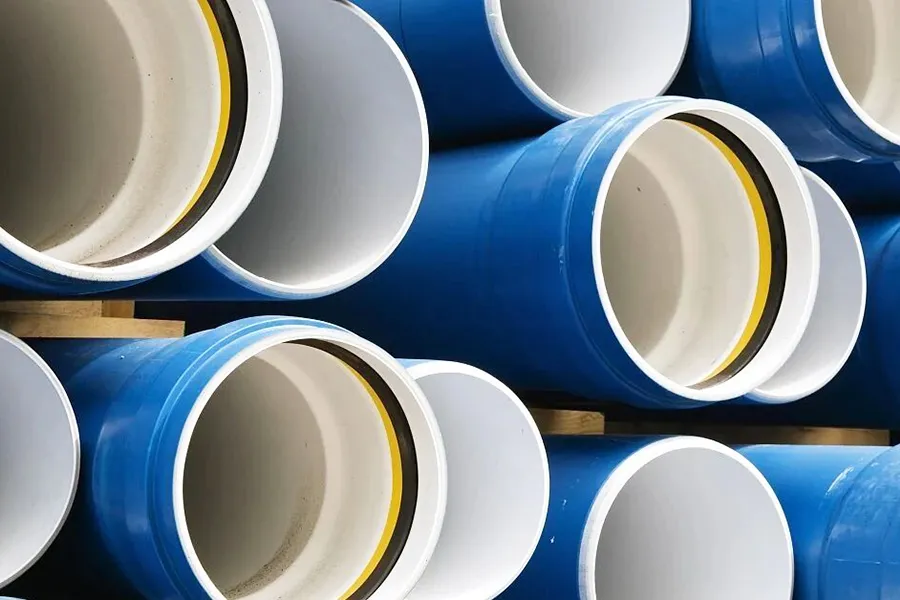
With the onset of hot weather, the requirements for outdoor construction have become more stringent, especially for projects that require the use of plastic materials, such as plastic pipes. Construction has put forward stricter requirements for products in terms of high temperature resistance, anti-aging, hardness & compression testing, and migration resistance.
1. Select matching carrier resin according to pipe type
When selecting colour masterbatch for pipes, you must first pay attention to whether the carrier resin of the masterbatch is compatible with the pipe base material. Carrier resin is the basic material that carries pigments and additives in the masterbatch. If the carrier does not match the pipe raw materials, even if the pigment is of good quality, poor dispersion, surface defects, or reduced mechanical properties may occur.
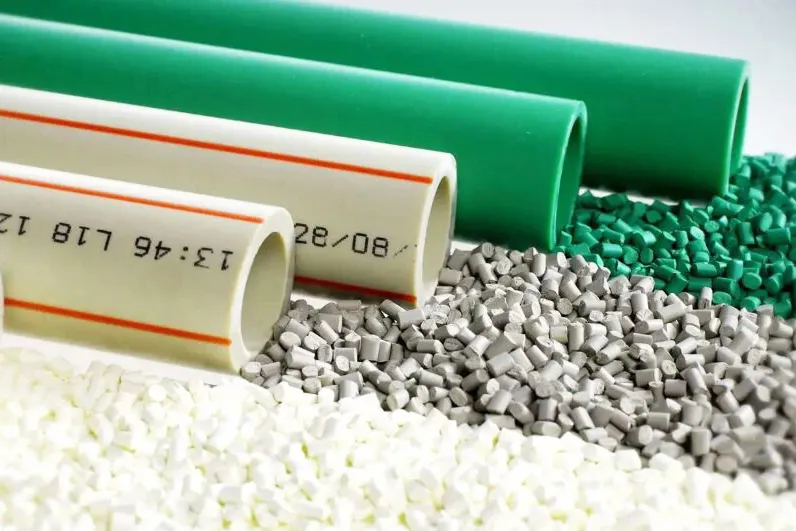
PPR pipes should usually choose masterbatch with PP or polyolefin materials that are better compatible with PPR as the carrier. PPR pipes are mostly used in hot and cold water pipes and have high requirements on hygienic performance, temperature resistance and long-term stability. Therefore, the masterbatch cannot affect the heat resistance and pressure resistance of the pipe itself.
For HDPE pipes, PE carrier or masterbatch with good compatibility with HDPE should be selected. HDPE pipes are often used in water supply, gas, drainage, communication protection pipes, power sheathing pipes, etc., and have high requirements for impact resistance, weather resistance and processing stability. If an incompatible carrier is used, local embrittlement of the pipe, unstable melt flow, or surface roughness may result.
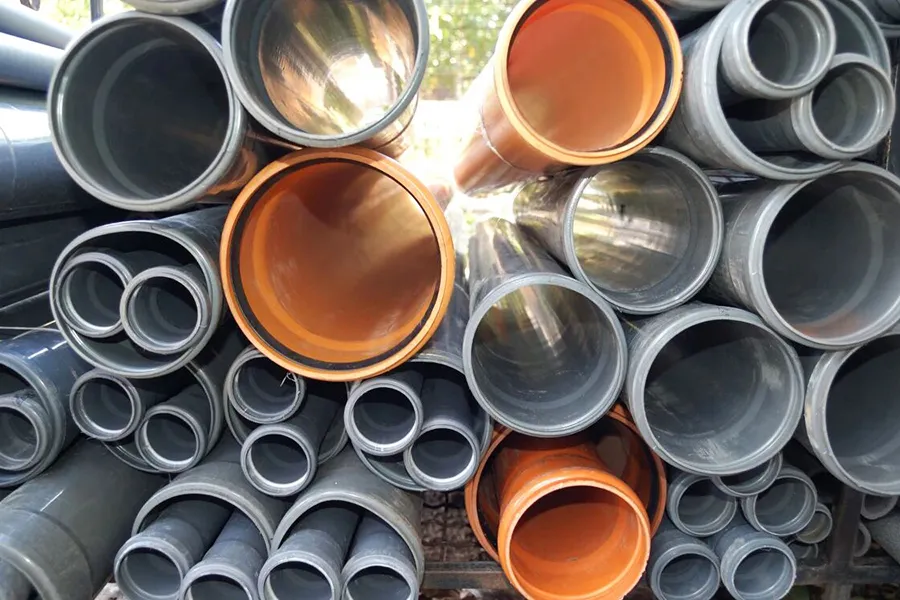
PVC pipes are different from PPR and HDPE in that they are polar materials. Their processing system usually also contains stabilizers, lubricants, fillers and other ingredients. Therefore, the masterbatch for PVC pipes must pay special attention to its compatibility with the PVC formula system. Ordinary PE or PP carrier masterbatch cannot be used at will, otherwise problems such as precipitation, delamination, color spots, and narrowing of the processing temperature window will easily occur. PVC pipes are more suitable for use with toners, pastes or special PVC masterbatches specifically designed for PVC systems.
2. Pay attention to the temperature resistance and processing stability of pigments
During the pipe extrusion process, the masterbatch needs to undergo high-temperature shearing for a long time. If the pigment has insufficient temperature resistance, it may discolor, decompose or migrate during processing, resulting in unstable pipe color.
PPR pipe processing temperatures are usually high, so the selected pigments must have good heat resistance. For example, common colors such as green, blue, gray, and white need to ensure that they do not discolor or decompose under high-temperature extrusion conditions. In particular, light-colored pipes have higher requirements for pigment stability and impurity control. Once the pigments are insufficient in temperature resistance, they are prone to yellowing, dullness, or batch color differences.
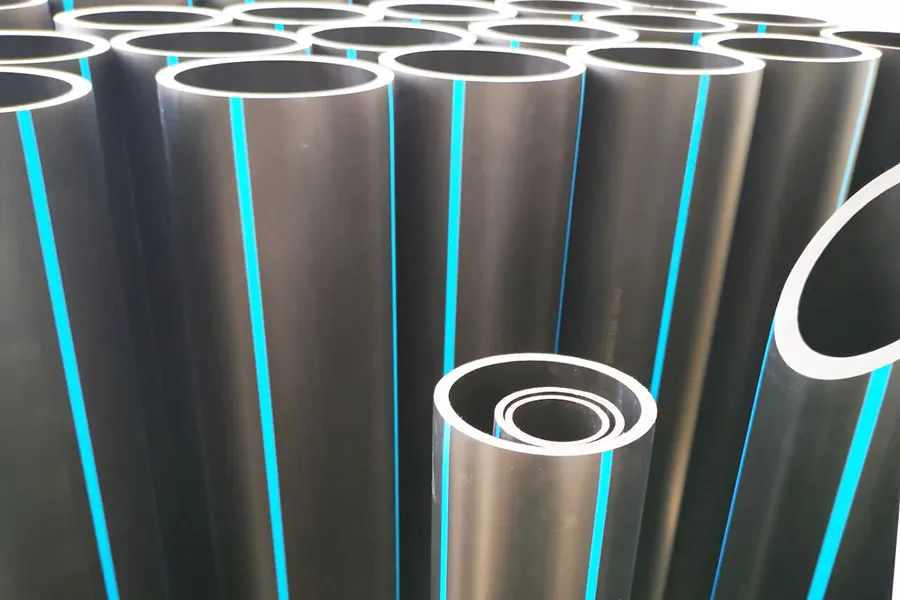
The processing temperature of HDPE pipes is relatively stable, but since many HDPE pipes are used in outdoor environments, the masterbatch must not only be resistant to processing temperatures, but also have good light aging resistance. Black HDPE pipes often use carbon black masterbatch. Carbon black not only provides color, but also plays a certain role in UV shielding. Therefore, carbon black content, dispersion and purity are all important indicators.
The processing temperature window of PVC pipe is narrow, and the material itself is sensitive to thermal stability. Therefore, masterbatches for PVC pipes must avoid the use of pigments or additives that will accelerate the decomposition of PVC. For white, gray, blue, yellow and other PVC pipes, the colour masterbatch for pipes needs to be matched with the stabilizer system to avoid problems such as yellowing, burnt material, odor or surface blooming during processing.
3. Dispersion is the core indicator for judging the quality of pipeline masterbatch
The dispersion of masterbatch directly affects the appearance and production stability of pipes. Pipe products are usually produced by continuous extrusion. Once the color masterbatch is not well dispersed, it is easy to form color spots, color lines, stripes, black spots or cloud-like color difference on the surface of the pipe wall.
High-quality pipe masterbatch should have a uniform pigment dispersion effect and be able to quickly mix with the substrate during the extrusion process to form a stable and consistent color. Especially large-diameter pipes, thick-walled pipes or high-speed extrusion production lines have higher requirements for the dispersion of color masterbatch. If the dispersion is poor, the surface of the pipe may appear uneven in color, and even obvious color spots may appear at the cutouts.
For PPR pipes, poor dispersion may affect the appearance grade of the pipe, especially home decoration hot and cold water pipes, which have higher requirements for surface finish. For HDPE pipes, poor carbon black dispersion may lead to insufficient local anti-aging properties, making local aging more likely to occur during long-term outdoor use. PVC pipes, poor dispersion may be compounded by a mismatched lubrication system, resulting in surface pitting, color streaks, and processing fluctuations.
Therefore, when selecting masterbatch, pipe manufacturers should focus on testing its dispersion effect on actual extrusion equipment, rather than relying solely on sample color judgment.
4. Color stability and batch consistency are very important
Pipe products are usually mass-produced and supplied for a long period of time, and color stability directly affects brand image and customer acceptance. Especially for engineering pipes, municipal pipes, home improvement pipes and export pipes, customers often require that the colors be as consistent as possible between different batches.
A high-quality masterbatch supplier should have stable formula management capabilities and be able to ensure that color deviations between different batches are controlled within a reasonable range. For common pipe colors, such as white, gray, green, blue, black, orange and yellow, standard color cards or customer-specific color numbers should be established to avoid relying on manual visual adjustments for each batch of production.
Common colors of PPR pipes include white, green, gray, etc. The color is required to be clean, bright and free of impurities. Common colors of HDPE pipes include black, blue, orange, yellow, etc. Different colors may correspond to different uses, such as water supply pipes, gas pipes, electric power pipes, communication pipes, etc. Common colors of PVC pipes include white, gray, blue, orange, etc. Color stability has a great impact on product appearance and market recognition.
If the batch stability of masterbatch is poor, pipe manufacturers may need to frequently adjust the addition ratio, which increases production management costs and may also cause color inconsistency in finished product inventory.
5. Choose weather resistance, light resistance and anti-aging properties according to the application environment
Whether the pipeline is used outdoors is an issue that must be clarified when selecting colour masterbatch for pipes. Outdoor pipes have long been affected by sunlight, rain, temperature changes and oxidative environments. If the masterbatch has insufficient weather resistance, the pipes may fade, become pulverized, become brittle or have surface aging.
HDPE pipes are widely used outdoors, so black HDPE pipes usually use high-quality carbon black masterbatch to improve UV shielding capabilities. For blue, orange, yellow and other colored HDPE pipes, it is necessary to choose organic pigments or inorganic pigments with higher weather resistance levels and match them with appropriate anti-UV additives.
If PPR pipes are mainly used for indoor hot and cold water systems, the weather resistance requirements are relatively low. However, if they are used for surface installation, balconies, outdoors or high-temperature environments, the light aging resistance also needs to be considered. Ordinary indoor grade masterbatch is not necessarily suitable for outdoor PPR pipes.
PVC pipe is widely used in drainage, wiring, construction and municipal applications, many of which are exposed to the outdoors. PVC itself is sensitive to thermal oxygen aging and photoaging, so the masterbatch must not only be weather-resistant, but also work with the PVC stabilizing system to avoid obvious fading or surface powdering during long-term use.
6. The addition ratio must be reasonable, and we cannot just pursue low cost
Many pipe companies will pay attention to the addition ratio and purchase price when selecting colour masterbatch for pipes. Generally speaking, the lower the masterbatch addition ratio, the lower the production cost on the surface. However, if the concentration of the masterbatch is too high, the dispersion is insufficient or the compatibility with the base material is not good, it may lead to uneven mixing, obvious color difference and quality risks.
The reasonable addition ratio should be determined according to the color depth, pigment concentration, pipe wall thickness, extrusion speed and customer standards. Light-colored pipes generally require higher hiding power and may require a higher addition ratio or a better titanium dioxide system. Black pipes need to pay attention to the carbon black content and dispersion, rather than simply pursuing a black enough color. Colored pipes must take into account brightness, weather resistance and cost.
When choosing masterbatch, you should not just compare the price per kilogram, but calculate the comprehensive cost of use. Although the unit price of high-quality masterbatch may be higher, if the addition amount is low, the dispersion is good, the color difference is small, and the scrap rate is low, the overall cost is often more advantageous.
7. Environmental protection and safety standards cannot be ignored
For water supply pipes, hot and cold water pipes, home decoration pipes and export pipes, the environmental protection and safety of masterbatch are very critical. Pigments, additives and carriers used in masterbatch must not contain restricted heavy metals, harmful plasticizers or substances that do not comply with the regulations of the target market.
PPR water supply pipes and hot and cold water pipes have high requirements for hygienic performance. The masterbatch should comply with the relevant requirements for drinking water contact materials and avoid using low-end recycled carriers or pigments from unknown sources. HDPE water supply pipes also need to pay attention to food grade or drinking water grade safety requirements. If PVC pipes are used for drainage or threading, the environmental protection requirements may be relatively different. However, if they are exported to markets such as the EU and North America, they also need to pay attention to requirements such as RoHS, REACH, and restrictions on phthalates.
When selecting suppliers, pipe manufacturers should be required to provide necessary test reports, material descriptions and compliance documents. Especially when used for export orders and engineering projects, the completeness of the documents will directly affect customer acceptance.
8. Matching with production equipment and processes is also critical
The same colour masterbatch for pipes may perform differently in different extruders, different screw structures, different temperature settings and different raw material systems. Therefore, masterbatch for pipelines must be verified by actual production.
When testing, attention should be paid to the following aspects: whether the color meets the standard, whether the extrusion process is stable, whether the pipe surface is smooth, whether there are colored spots, black spots, and stripes, whether the pipe incision color is uniform, whether there is precipitation, accumulation, die contamination, or filter blockage during long-term production.
Conclusion
When selecting colour masterbatch for pipes, you should not just look at the color and price, but should make a comprehensive judgment from multiple aspects such as pipe type, carrier compatibility, pigment temperature resistance, dispersion, color stability, weather resistance, environmental protection standards and production process matching. Although PPR, HDPE and PVC pipes are all plastic pipes, their material properties and application environments are obviously different, so the masterbatch selection criteria are also different.