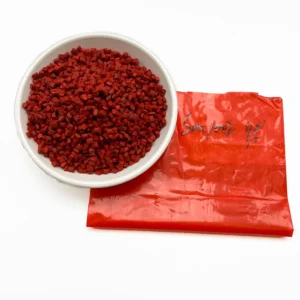

Injection Molding Desiccant Masterbatch | moisture control and defect reduction for injection molding for household, industrial, and daily-use plastic parts
Desiccant masterbatch is a moisture-absorbing additive designed to eliminate bubbles, fisheyes, and surface defects caused by wet recycled or humid plastic raw materials.
Desiccant masterbatch advantages in wet-material processing
Suitable for PE and PP recycled streams
Helps reduce bubbles, pinholes, and fisheyes
Improves finished-product surface smoothness
Can be mixed directly with raw materials
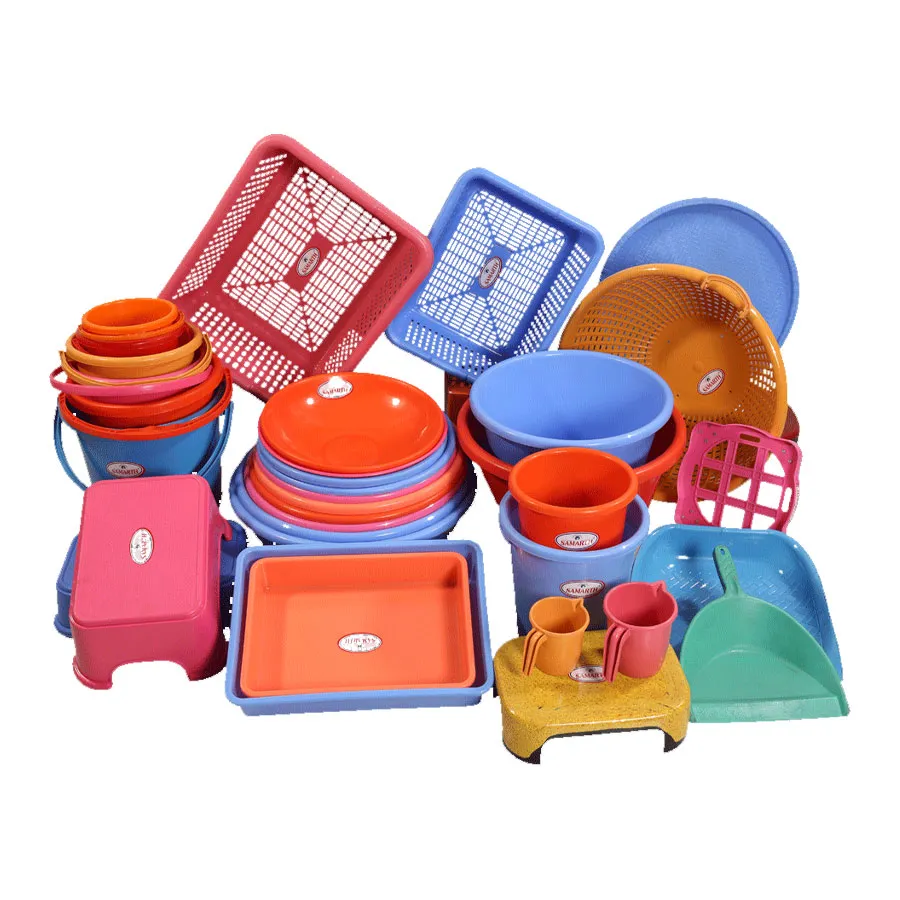
Desiccant masterbatch uses moisture-absorbing active components and compatible carrier resin to reduce bubbles, fisheyes, and other moisture-related defects during processing. It supports injection molded parts such as containers, pallets, chairs, bottle caps, and industrial components that need repeatable appearance and stable processing. Raw material checks, process control, and final inspection strengthen repeatability from batch to batch.
FAQ
What problems does it target?
It is used to reduce bubbles, fisheyes, pinholes, and other surface defects caused by moisture.
What active content range is used?
Active content commonly ranges from 50%–80%, depending on the requested grade.
What dosage is commonly used?
A recommended dosage range of 1%–5% is typical, adjusted to moisture level and process conditions.
Which processes use it most often?
Nuoxin highlights blown film, injection molding, and extrusion for PE and PP applications.

Latest News

How to Choose a Reliable Masterbatch Manufacturer for Long-Term Supply
China began developing masterbatches in the mid-1970s. Currently, driven by economic growth and increasingly stringent environmental protection requirements, the advantages of masterbatch coloring technology have
What Is Masterbatch and Why Is It Important in Plastic Manufacturing?
What Are Masterbatches? While many people may not be familiar with the term “plastic masterbatch,” its applications are ubiquitous in our daily lives. Whether in
Pigment Masterbatch: A Practical Guide to Color Consistency in Plastics
For both manufacturers and consumers, color consistency is a key criterion for measuring product quality! Especially in the plastics industry, achieving precise colors is no
Moisture control without production interruption
Best suited to recycled or humid feedstock where moisture defects create avoidable scrap and unstable product appearance.