
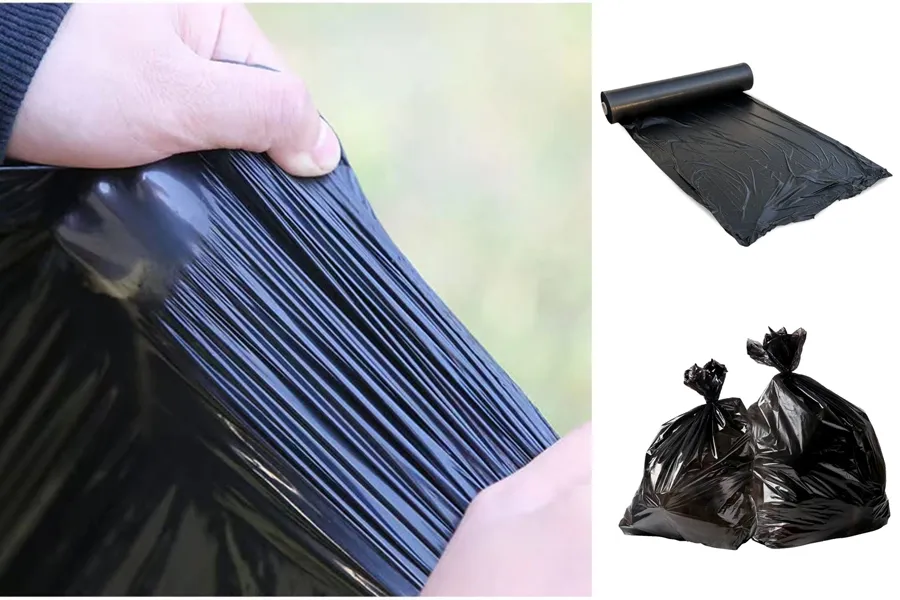
Polyethylene is one of the most widely used plastics, found in everything from cables to packaging. But on its own, the base resin is quite basic. What really changes its performance is how it is modified with masterbatch.
In recent years, demand has shifted. It is no longer just about adding color. Manufacturers now need materials that can handle UV exposure, resist bacteria, or stay strong even when made thinner. This is where polyethylene masterbatch comes in. With the right formulation, it helps turn standard PE into a material that meets these higher performance needs.
Understanding the Architecture of Polyethylene Masterbatch
A polyethylene masterbatch is a mix of pigments and additives held in a PE carrier resin and processed into granules.
Handling raw additives in powder form is not easy. They can create dust, feed unevenly, and don’t always mix well during processing. This often leads to unstable results.
With masterbatch, the additives are already dispersed. The material comes in granules, which are easier to handle and dose. When they go into the extruder, they melt in a controlled way and release the additives evenly. This more even distribution is what helps keep product quality stable and avoids weak or defective material.
The Diverse Spectrum of Polyethylene Masterbatch Applications
Polyethylene masterbatch is not only used for color. In many cases, it decides how the product actually performs.
For opacity, black and white masterbatches are widely used. In mulch films or liners, black masterbatch blocks light to stop weed growth. White masterbatch, usually based on titanium dioxide, is used in packaging to give a clean look and help protect the contents from light.
For outdoor use, UV resistance is critical. Sunlight can slowly damage polyethylene and cause cracking. A masterbatch with UV stabilizers helps slow this process and keeps products like pipes or ducts working for a longer time.
In some applications, surface performance also matters. Antistatic masterbatch helps reduce static buildup, which is important when handling electronic products. Slip and antiblock masterbatches are used in film production to keep layers from sticking together, so the line can run smoothly.
The Role of Polyethylene Masterbatch in the 2026 Circular Economy
Sustainability is no longer just a concept. In many cases, it has become a real requirement in production, especially with the use of recycled materials. Recycled PE is less stable than virgin material. It can contain impurities that lead to odor, yellowing, or weaker performance.
This is where polyethylene masterbatch becomes important. Masterbatches with antioxidants help reduce further degradation during processing. They make recycled material more stable.
Moisture is another common issue. Desiccant masterbatch helps remove residual moisture from recycled flakes. This reduces bubbles and helps keep the final product more consistent in appearance.

Engineering ROI: Why Quality Masterbatch Saves Money
For procurement teams, price per ton is often the first thing to look at. But focusing only on price can be misleading. What really matters is the total cost during production.
A higher-quality polyethylene masterbatch usually needs a lower dosage. You can get the same result with less material, which reduces the cost per unit.
Some formulations also help improve processing. They can make the melt flow more easily, so the machine can run at lower temperatures or higher speed. This can help reduce energy use.
Another point is stability on the line. Lower-grade masterbatch may contain particles that block filters, which leads to stops and cleaning. A better-quality masterbatch helps keep production running without interruption.
Case Study: High-Speed Blown Film Production
A manufacturer producing LLDPE stretch film was dealing with frequent bubble breaks on a 300 kg per hour line. The issue came down to poor dispersion of the antiblock additive.
After switching to a polyethylene masterbatch with better dispersion, the problem was largely resolved. Bubble breaks dropped by around 95%.
This improvement had a clear impact on output. Weekly production increased by about 12 tons, which made the whole operation much more efficient and profitable.
Technical Selection: Matching the Carrier Resin
Using a “universal” masterbatch for different materials sounds convenient, but it often causes trouble on the line. In most cases, it’s better to use a carrier that matches the base resin.
For LDPE film, an LDPE-based masterbatch blends more easily and helps keep the film clear.
For HDPE pipes, an HDPE-based masterbatch is a better fit. It helps keep strength and long-term performance stable.
MFI is another simple check. The masterbatch is usually a bit higher than the base resin, so it melts and spreads more easily during processing.
Looking Ahead: The Future of Polyethylene Additives
The future of polyethylene masterbatch is moving toward more functional materials. One example is laser marking masterbatch. It can create permanent, high-contrast marks on PE parts without using ink, which makes production cleaner and more durable.
Another area that is growing is antimicrobial masterbatch. It is used in medical tubing and food packaging. It helps improve hygiene by slowing down microbial growth on the surface.
At the same time, manufacturing is moving toward Industry 4.0. This makes consistency very important. Automated dosing systems rely on uniform granules in size and weight. If the material is not consistent, it can affect process control and cause variation between batches.
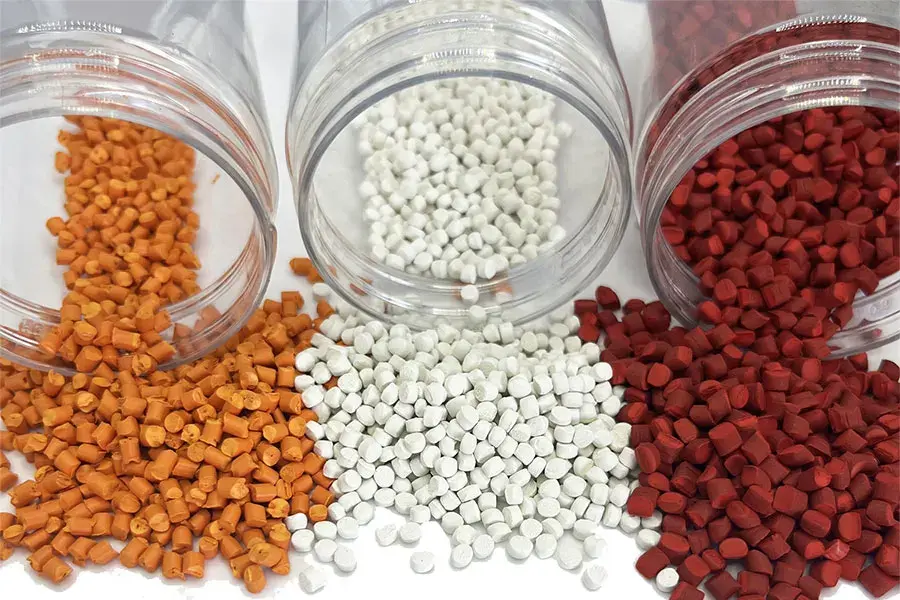
Polyethylene masterbatch is what makes basic resin workable on a real production line. It gives the material color, helps it stay stable, and makes processing easier to control.
In practice, it’s not just about what’s on the datasheet. What matters more is how it runs on your machine. If it blends well with the base resin and spreads evenly, you usually get fewer issues and more consistent output.
At the end of the day, everyone cares about the same thing: stable quality and fewer surprises during production. A good masterbatch just helps you get there.