
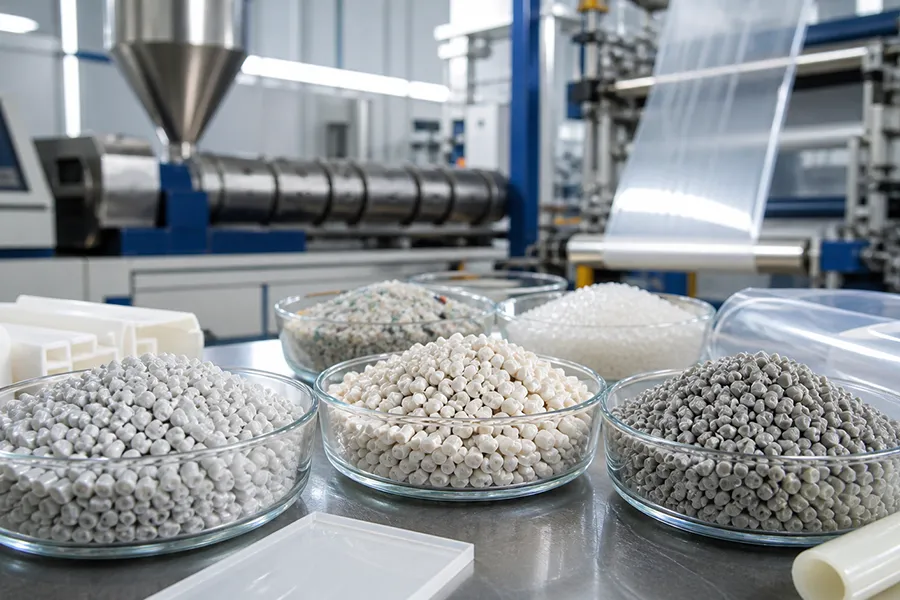
Moisture content is often underestimated in plastic processing, yet it is a significant cause of product defects, production fluctuations, and material waste. Especially when using recycled plastics, damp raw materials, materials with high filler content, or in humid environments, the moisture in plastic granules rapidly vaporizes during high-temperature processing, leading to problems such as bubbles, silver streaks, pinholes, surface roughness, reduced strength, film breakage, and filament breakage. Desiccant masterbatch is a functional masterbatch specifically designed to absorb trace amounts of moisture during plastic processing, and is particularly suitable for processing recycled plastics and moist raw materials.
1. What is Desiccant Masterbatch?
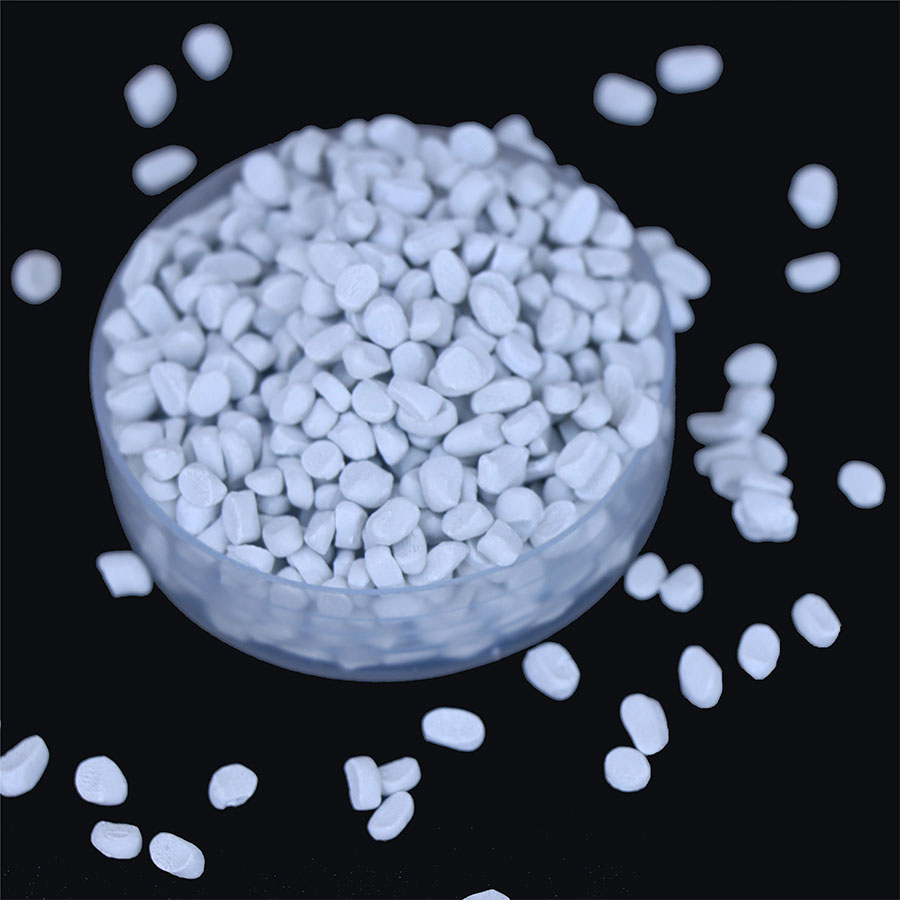
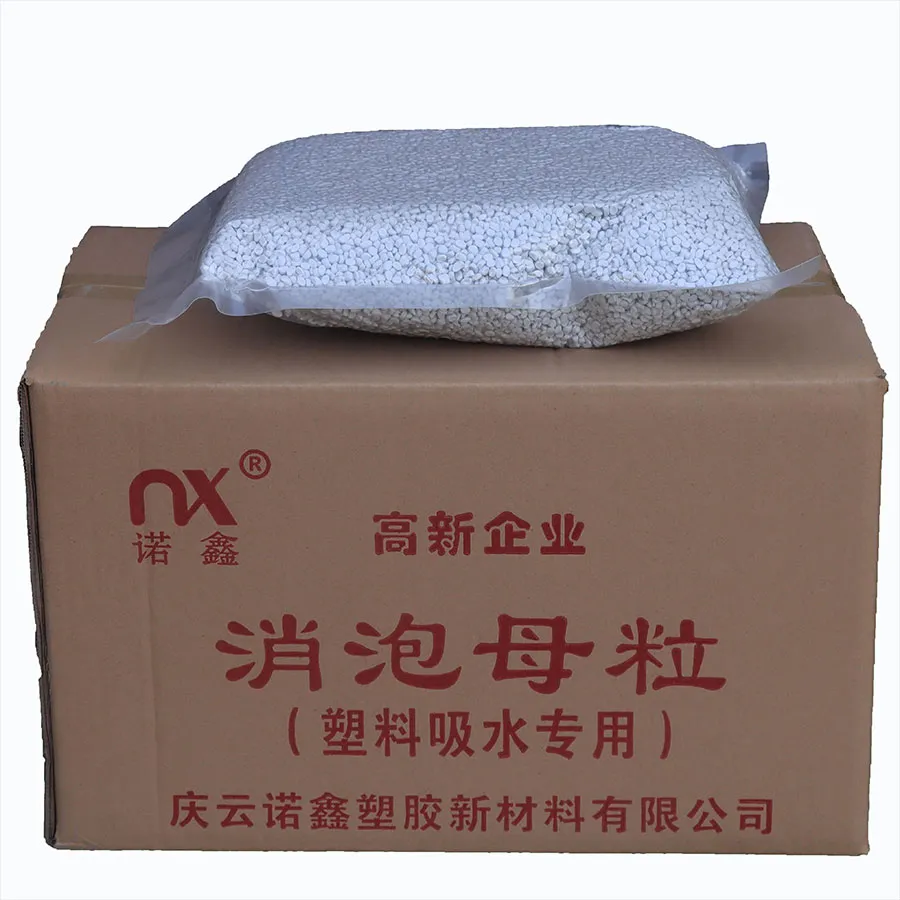
Plastic desiccants, also known as plastic defoaming masterbatch, plastic dehydration masterbatch, and plastic moisture-proof masterbatch, are new functional masterbatches specifically developed to address moisture issues during the processing of plastic products made from PE, PP, ABS, PS, and nylon. Their main component is CaO, specifically designed to remove moisture from plastic raw materials, improving production efficiency and reducing costs.
Processing Principle of Desiccant Masterbatch
The working principle of desiccant masterbatch mainly includes the following aspects:
- First, its effective components can rapidly absorb moisture during plastic processing, converting it into substances that do not easily affect the properties of the plastic, thereby achieving a drying effect.
- Secondly, defoaming components can disrupt the surface tension of bubbles, causing them to burst and achieving defoaming. During plastic processing, the presence of moisture easily generates bubbles, which affect the quality and performance of the finished product. Defoaming drying masterbatch effectively solves the problems caused by moisture and bubbles through the above-mentioned working principle.
- Furthermore, the components in defoaming drying masterbatch can fully integrate with plastic raw materials, improving the overall quality and stability of the finished product without altering the original physical and chemical properties of the plastic.
2. Where does moisture come from in plastic processing?
- Moisture in raw materials: Plastic granules may absorb a large amount of moisture during production and storage.
- Ambient humidity: In humid environments, plastic granules will absorb a large amount of moisture.
- Cooling water in injection molding machines: Cooling water used in injection molding machines may be conducted into the plastic granules, leading to increased moisture content.
- Damaged packaging or prolonged storage: If the raw material packaging is damaged, not sealed after opening, or stored for too long, the plastic granules may continue to absorb moisture, causing quality fluctuations during processing.
3. What problems does moisture cause in plastic processing?
Although plastic products themselves do not contain moisture, they are easily affected by moisture during production and use. Moisture affects the physical and mechanical properties of plastic products, causing them to deform, age, and lose their original function. Specifically, moisture can cause the following problems:
3.1 Deformation
When plastics contain too much moisture, they easily soften and form bubbles. During injection molding and extrusion processing, these bubbles can lead to deformation, loss of shape and properties.
3.2 Aging
Moisture is the main culprit in plastic aging. It can cause discoloration, hardening, and embrittlement. During cross-chain polymerization and thermal processing, moisture can also cause chemical degradation, causing plastics to lose their original properties and lifespan.
3.3 Loss of Original Function
Plastic products exist in the environment and are in contact with water and air. However, when plastics contain too much moisture, the moisture affects their reactions with other substances, causing the plastic products to lose their original function and effect.
4. How does desiccant masterbatch solve the moisture problem?
During the production of plastic products, desiccants can be added to absorb moisture and prevent moisture from affecting the plastic.
Meanwhile, maintaining a dry production environment during the manufacturing process of plastic products can minimize the impact of moisture.
5. In which situations should desiccant masterbatch be used?
- Food Industry: Adding a certain amount of desiccant masterbatch to packaged food can effectively prevent food from becoming damp and spoiling, extending its shelf life.
- Chemical Industry: Some chemical reagents require a constant ambient humidity; using desiccant masterbatch can help maintain environmental stability.
- Electronic Products: For some precision electronic devices, moisture in the environment may cause short circuits or other problems; using desiccant masterbatch can effectively prevent these problems.
- Personal Care Products: Products such as face masks and cosmetic cases also need to use desiccant masterbatch to prevent product failure or taste changes caused by moisture.
6. Methods and Precautions for Adding Desiccants
In the production of plastic products, desiccants are usually added directly to the pre-formed plastic. When adding desiccants, the following points should be noted:
- The amount of desiccant added needs to be determined according to the type of plastic and production requirements, generally between 1% and 5%;
- The storage environment for the desiccant needs to be dry and airtight, avoiding contact with moisture;
- The desiccant needs to be replaced or regenerated regularly during use to ensure the durability of its moisture absorption effect.
Summary
In summary, adding desiccants can effectively improve the quality and stability of plastic products and reduce losses during the production process. Choosing the appropriate type and amount of desiccant, as well as the correct addition method and precautions, is of great significance to the production of plastic products.