
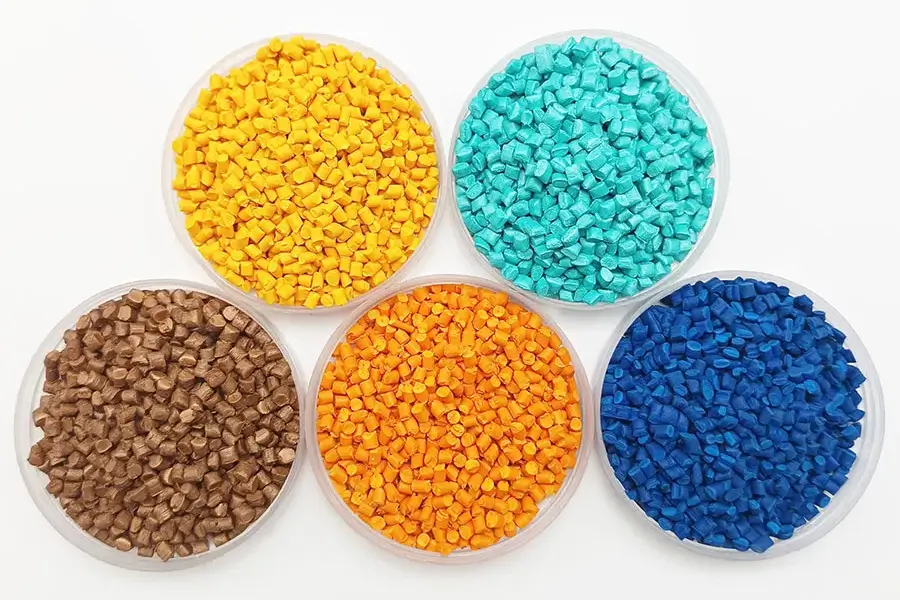
In flexible packaging, polypropylene (PP) is widely used because it is strong, heat-resistant, and has a clean appearance. You see it in products like woven sacks, bread bags, and retail packaging. But resin alone does not guarantee good results. PP masterbatch is what helps adjust performance during production. It plays a big role in getting the right balance between strength, clarity, and cost. In real production, small changes in the masterbatch often decide how stable and consistent the final film or bag will be.
In 2026, packaging requirements are clearly changing. The focus is now on more functional materials that can do more with less. Bags are expected to be thinner but still strong. They also need to hold up better in real environments and work well with recycling systems and circular economy goals. Because of this, PP masterbatch is no longer something added at the end. It has become an important part of how the product is designed and produced from the start.
The Science of PP Masterbatch in Flexible Packaging
Polypropylene is a semi-crystalline plastic with good strength and chemical resistance. At the same time, it is not very stable under UV light, and it can be tricky to run at high speeds if the formulation is not right.
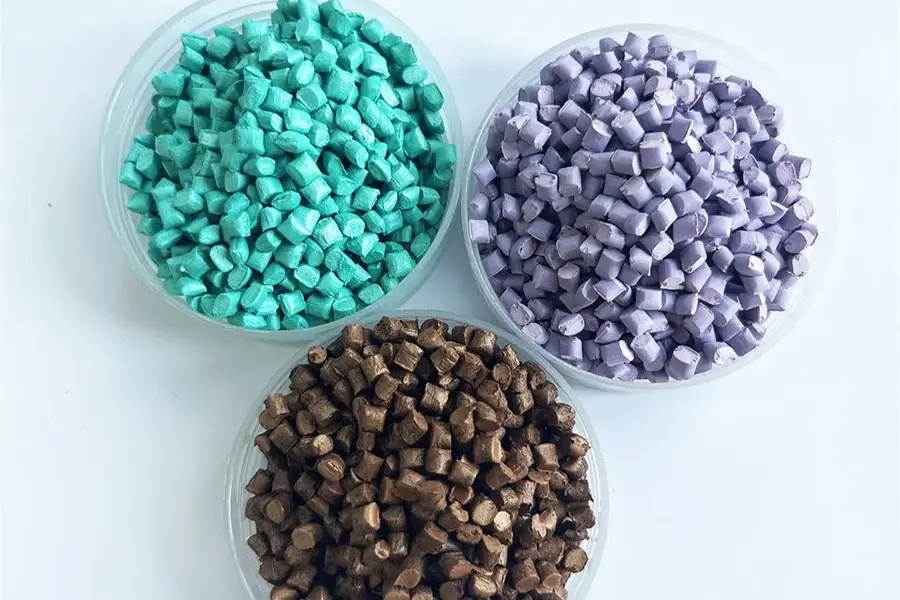
A PP masterbatch is basically a concentrated way to add color and functional additives into polypropylene. It is designed to work with the structure of PP so it blends in properly during processing.
Unlike more general additives, a PP-specific masterbatch uses a carrier resin with an MFI that matches PP extrusion. This helps it melt and spread at the same time as the base resin. When this is well controlled, you avoid issues like gels, and you get more even color and strength across the final film or bag.
Key Functional Categories of PP Masterbatch
1. UV Stabilizers for Industrial Woven Bags
For products like cement bags, bulk bags (FIBCs), and agricultural sacks, sunlight is one of the biggest threats. Without protection, polypropylene breaks down quickly under UV exposure. Over time, this can cause surface chalking and a clear drop in tensile strength, which may eventually lead to bag failure.
A UV-resistant PP masterbatch usually contains HALS additives. These work by slowing down the damage caused by sunlight and helping stabilize the material during outdoor use.
With the right formulation, woven bags can keep their strength for a much longer time, even when stored or used in tough environments like construction sites or open-air storage areas.
2. Antistatic and Slip Additives for High-Speed Packaging
In food and garment packaging, static is a frequent problem. Bags can stick together, attract dust, or cause jams on automatic filling machines.
Antistatic PP masterbatch helps reduce static so the material is easier to handle on the line.
Slip and antiblock additives make the film move more smoothly and reduce sticking between layers.
When things are balanced well, production tends to run more steadily, with fewer interruptions and better flow at higher speeds.
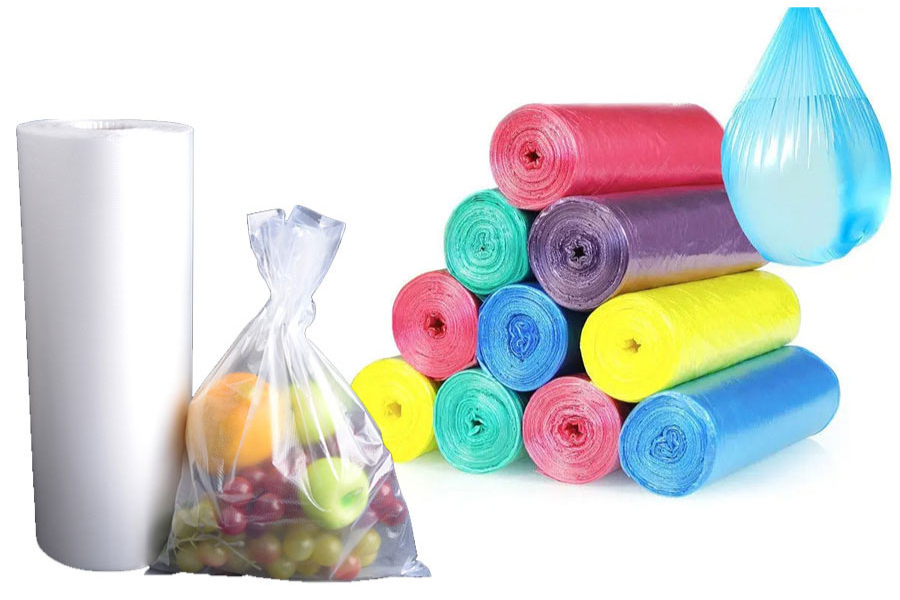
3. Clarifying and Nucleating Agents for Retail Bags
For retail packaging like candy or stationery, appearance matters a lot. In these cases, clarity is often the most important factor.
A PP masterbatch with clarifying agents helps improve transparency. It changes how polypropylene crystallizes during cooling. Instead of forming large crystals, the material forms smaller and more uniform ones.
This structure allows light to pass through more easily, so the film looks much clearer, almost like glass. For brands, this kind of PP masterbatch helps products look cleaner and more attractive on the shelf.
Maximizing Efficiency and ROI in Bag Production
In B2B production, factory managers usually care most about cost. It is often assumed that cheaper masterbatch will save money, but that is not always true. With a high-quality PP masterbatch, the loading is higher, so the dosage can be lower. In many cases, you may only need around 1.5% instead of 4%. This means less material is used overall. It also reduces how much needs to be purchased, handled, and stored, which can improve overall efficiency.
Some PP masterbatch grades include processing aids that make the melt flow easier. Less friction in the extruder means the machine can usually run more smoothly, sometimes at slightly lower temperatures, which helps reduce power use over time. Better dispersion helps avoid common issues like specks and uneven thickness. In large-scale production, even a small drop in scrap rate makes a real difference.
Sustainability and the Role of PP Masterbatch in 2026
The global push for sustainability has forced bag manufacturers to rethink their material usage. The “Green Manufacturing” trend of 2026 emphasizes two paths: down-gauging (making thinner bags) and increasing recycled content.
PP masterbatch plays an important role in both directions. When bags are made thinner, the material still needs enough strength to avoid tearing. This is achieved by adding toughening agents through the masterbatch, which helps improve durability without increasing thickness.
Recycled PP also comes with common issues. Post-industrial recycled (PIR) material often shows yellowing and can have an unpleasant odor. A restorative PP masterbatch helps improve this by reducing odor and using optical brighteners to improve appearance. In many cases, the recycled material can look very close to virgin resin.
This makes it easier for manufacturers to meet sustainability targets while still keeping a clean, high-quality product appearance.
Technical Selection: What Processors Need to Know
When ordering PP masterbatch, it helps a lot to give your supplier clear information from the start. This makes it easier to match the material to your actual production needs.
First is the MFI of your base resin. A high-flow material used for injection molded handles is very different from a low-flow grade used in blown film. If this is not matched correctly, processing and final quality can be affected.
Second is the end-use environment. You need to consider whether the product will face high temperatures, such as sterilization, or long-term outdoor exposure to sunlight. This will affect the choice of additives.
Third is food contact requirements. If the product is used for food packaging, the PP masterbatch must meet relevant standards such as FDA or EU 10/2011.
Finally, opacity requirements should be clarified. For example, woven bags may need full light blocking to protect the contents from degradation.
The Future of Polypropylene Bag Manufacturing
Looking ahead, PP masterbatch is moving toward more “smart” functions. One example is oxygen-scavenging masterbatch used in food packaging. It helps slow down food spoilage and can extend shelf life without adding extra packaging layers.
Another growing trend is laser-marking PP masterbatch. It allows batch codes or QR codes to be printed directly on the plastic surface. This reduces the need for inks and adhesives and makes production simpler.
At the same time, factories are becoming more automated and digital. In these systems, consistency of PP masterbatch becomes very important. If the additive quality stays stable, machine performance is easier to predict and control in daily production.
In conclusion, the production of polypropylene plastic bags is a balancing act between cost, speed, and quality. PP Masterbatch is the most effective tool available to tip that balance in your favor. It provides the colors that define your brand, the stabilizers that protect your customers’ goods, and the efficiency that protects your profit margins.
Choosing a higher-grade PP masterbatch is not just about the material itself. It is really about keeping your production more stable and reducing risks on the line. Whether you need clear retail bags or strong industrial woven sacks, the right masterbatch makes a noticeable difference in consistency and final quality.
Looking ahead, the manufacturers who stay competitive are usually the ones who pay attention to material quality and don’t cut corners on formulation.