
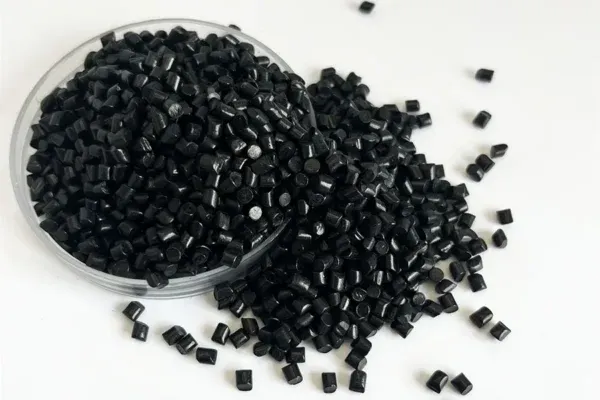
Power and telecom systems really depend on good insulation. In wire and cable, the outer polymer layer is what protects the cable from the environment. It keeps high voltage and data signals safe during use.
If the cable is expected to last 20 to 30 years, the material choice becomes very important. Choosing the right masterbatch is not just part of production. It directly affects how the cable performs over time.
Whether you are producing fiber optic jackets, automotive wiring harnesses, or heavy-duty industrial power cables, the functional additives and pigments you select will play a key role in performance. They directly affect the cable’s lifespan and safety level. They also influence whether the product can meet international standards.
The Specialized Requirements of Cable Grade Additives
Unlike general-purpose plastic products, cables are exposed to extreme temperature changes, UV radiation, and continuous mechanical stress. Because of this, a high-performance masterbatch for cable and wire must meet strict requirements. These requirements go far beyond simple color matching.
1. Dielectric Properties and Electrical Insulation
The primary function of a cable is to conduct or insulate electricity. Any impurity in the masterbatch, such as trace moisture or metal particles, can cause electrical tracking or dielectric breakdown. A high-quality masterbatch for cable and wire is made with ultra-pure carrier resins and pigments. These materials are designed to preserve the natural insulating properties of the polymer and avoid interference with electrical performance.
2. Thermal Stability for High-Speed Extrusion
Cable extrusion lines often operate at high speeds to maximize production output. This generates a significant amount of shear heat inside the barrel. A masterbatch for cable and wire must stay thermally stable under these high temperatures. This helps prevent pigment degradation. It also avoids the formation of char particles, which can cause surface defects or even spark failures during high-voltage testing.
Critical Categories of Masterbatch for Cable and Wire
UV Stabilized Masterbatches (Weathering)
For outdoor utility cables and telecommunication lines, UV radiation is one of the main causes of early failure. Without a specialized masterbatch for cable and wire that contains HALS (hindered amine light stabilizers) or high-quality carbon black, the polymer will undergo photo-oxidation. This process leads to cracking and surface chalking.
In 2026, industry standards are increasingly focused on advanced UV protection systems. These synergistic additive packages can provide long-term stability. In some high-UV environments, such as the Middle East and Australia, they can help extend service life to up to 25 years.
Flame Retardant (FR) Masterbatches
Safety regulations such as UL94, IEC 60332, and CPR in Europe define the fire performance requirements for building wires. A functional masterbatch for cable and wire often uses halogen-free flame retardant (HFFR or LSZH) technology. These additives help ensure that in the event of a fire, the cable produces low smoke and no toxic halogen gases. This is essential for safety in environments such as tunnels, skyscrapers, and data centers.
Color Masterbatches for Identification
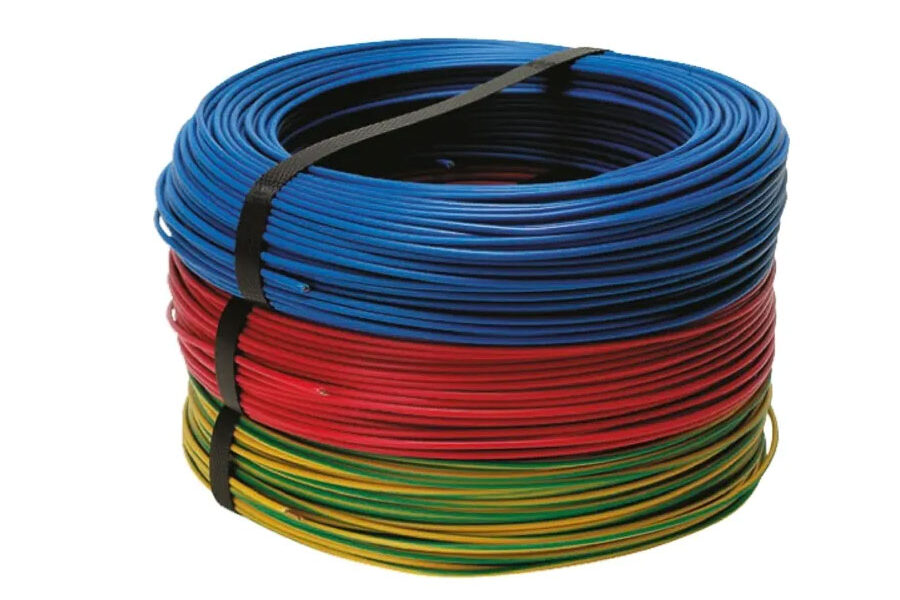
Color coding is also critical for safety and maintenance. However, keeping an exact RAL or Munsell color standard consistent across production batches can be challenging. A professional masterbatch for cable and wire provides high pigment loading and excellent dispersion. This ensures that even thin-walled automotive wires, as thin as 0.2 mm, maintain a consistent and bright color. It also helps the color remain stable over time without fading.
Technical Challenges: Dispersion and Processing
One of the most common issues in cable manufacturing is lumping or poor dispersion of the masterbatch. When dispersion is not uniform, it can create weak points in the insulation. In fiber optic cables, this may even cause micro-bending of the glass fibers, which can lead to signal loss.
To solve this problem, leading manufacturers use nano-dispersion technology. This means the pigment and additive particles are controlled to be smaller than 5 microns and fully coated by the carrier resin. As a result, the masterbatch can blend evenly into the base polymer, such as PE, PVC, or XLPE. This helps create a smooth, mirror-like surface. It also reduces friction when the cable is pulled through conduits.
The Impact of Recycled Content on Cable Quality
As sustainability requirements become stricter, many cable manufacturers are starting to use recycled polyethylene for cable jacketing. However, recycled materials can be less stable and harder to control. Using a functional masterbatch for cable and wire with antioxidant systems and moisture scavengers is important in this case. These additives help reduce the impact of impurities in recycled PE. They also prevent issues such as poor oxidative stability, which is a key risk for utility-grade cables.
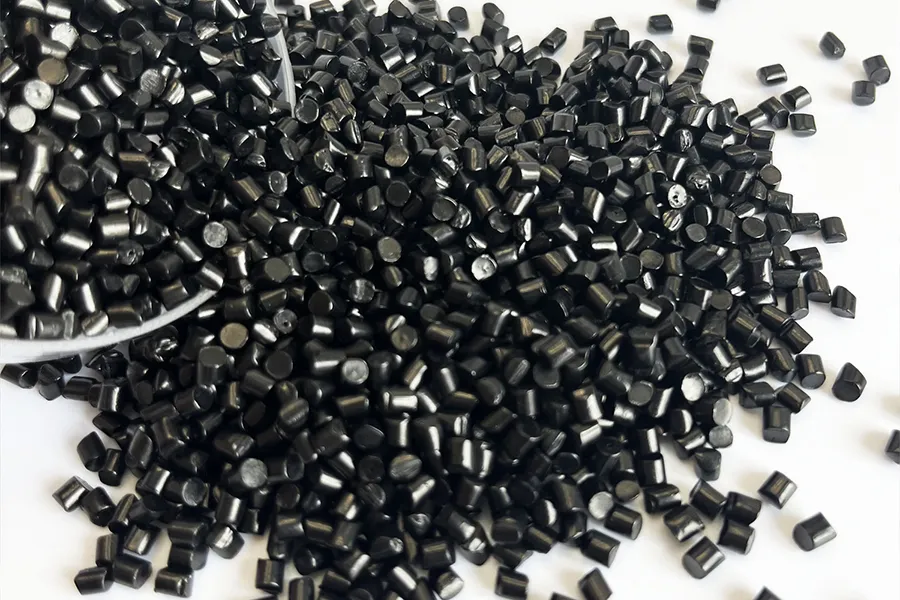
ROI Analysis: Quality vs. Commodity Masterbatches for Cable
For procurement managers, choosing a lower-cost, standard masterbatch may seem attractive. However, the real cost of quality tells a different story.
For example, if a manufacturer uses a low-quality masterbatch for cable and wire and sees a 1% failure rate in spark testing, the losses can be significant. In a 10 km production run of high-voltage cable, this could mean scrapping large amounts of copper and polymer. By using a high-quality masterbatch, the manufacturer can achieve up to 99.9% first pass yield. This greatly reduces the cost per meter and helps maintain a strong reputation for product reliability.
Future Trends: 2026 and Beyond
The future of the cable industry is moving toward smart cables. New masterbatch formulations for cable and wire now include anti-rodent and anti-termite additives. These solutions use non-toxic, bitter-tasting compounds instead of traditional pesticides, making them safer and more environmentally friendly.
At the same time, the shift to 5G and future 6G networks is driving cable design in a new direction. Cables are becoming smaller and more compact. This creates higher thermal demands. As a result, masterbatch for cable and wire needs better thermal conductivity. It must help release heat from the cable core and keep data transmission stable under heavy loads.
Best Practices for Storage and Handling
Because many cable-grade additives are sensitive to moisture and contamination, proper handling is very important.
- Hermetic Sealing: Store the masterbatch in a controlled environment to prevent moisture exposure.
- First-In, First-Out: Even though masterbatch has a long shelf life, using it earlier helps maintain the full effectiveness of stabilizers.
- Cleanliness: Even a small amount of dust or foreign material in the hopper can cause defects. In very thin coatings, such as 0.1 mm wire, this may lead to breaks or production failure.
At the end of the day, the right masterbatch really makes a difference in cable production. It affects power stability and signal performance. You don’t see it, but you’ll notice it over time.
UV resistance, flame performance, and dispersion all play a part: they help keep production stable and cut down on defects.
For infrastructure projects, people don’t usually take risks with materials. A good masterbatch just helps everything run more safely and reliably over the long term.