
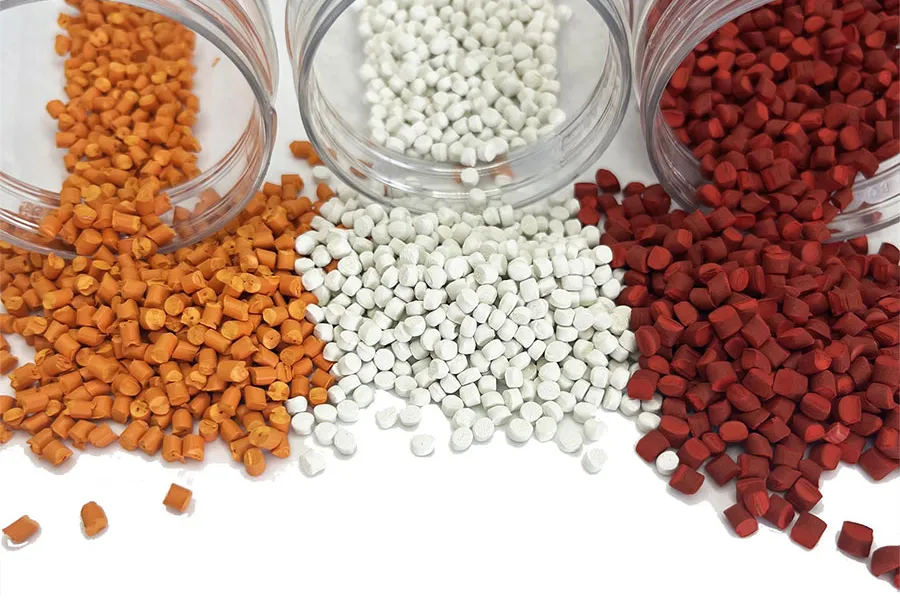
In plastic manufacturing, achieving a flawless surface finish is not always easy. Whether you are running a high-speed film blowing line or a precision injection molding process, bubbles remain a common problem. These defects are small but can affect both appearance and product strength. For many manufacturers, the solution is a specialized additive called Defoaming Masterbatch.
Also known as desiccant masterbatch, it plays an important role in modern polymer processing. It works as an efficient moisture absorber, reacting with water and preventing it from turning into vapor and causing defects.
In 2026, its use continues to grow. This is driven by the rising use of recycled materials and the need for more efficient and energy-saving production processes.
The Root Cause: Why Do Bubbles Form in the First Place?
To understand the importance of defoaming masterbatch, it is helpful to first look at how the extruder barrel works. Most thermoplastic resins, especially materials like PE, PP, and PS, are sensitive to moisture.
This moisture can come from two sources. It may be part of the material itself due to its hygroscopic nature. It can also come from surface humidity absorbed during storage, transportation, or the washing process in recycling.
When these wet pellets enter the heating zone of an extruder, the temperature quickly rises above 100°C. The trapped moisture immediately turns into steam.
In the pressurized melt, this steam forms small pockets of gas. As the material exits the die and the pressure drops, these gas pockets expand and cause several types of defects:
1. Surface bubbles: Visible craters or raised spots on the product surface.
2. Internal voids: Empty spaces inside the material that weaken its strength.
3. Silver streaks, also known as splay: Long, whitish marks that affect the appearance of injection molded parts.
Without a defoaming masterbatch, the only traditional alternative is pre-drying the resin for 4 to 12 hours, a process that is both time-consuming and expensive.
How Defoaming Masterbatch Works: A Chemical Shield
The effectiveness of a high-quality defoaming masterbatch comes from its chemical composition. Most formulations use a high level of specially treated calcium oxide, which is evenly dispersed in a carrier resin that matches the base polymer.
When the masterbatch is mixed with moist resin and heated, the calcium oxide reacts with the water. This reaction forms calcium hydroxide, a stable solid that stays evenly distributed in the material.
Because the moisture is converted into a solid, it cannot turn into steam. As a result, the melt remains stable, and the final product is free from bubbles and streaks.
Key Benefits of Using Defoaming Masterbatch in 2026
1. Less scrap, more stable running
People mainly use defoaming masterbatch because it cuts scrap. In film blowing, one bubble can break the film and stop the line. That means wasted time and material. With a small dosage, the line just runs more steady and you get fewer bubble problems.
2. Easier use of recycled material
Recycled plastics always bring some moisture issues. You can’t really avoid that. This additive just helps you run those materials with fewer issues like foaming or weak spots. So using recycled material becomes less painful in production.
3. Massive Energy and Time Savings
Industrial hopper dryers use a lot of electricity. With defoaming masterbatch, many processors can skip the pre-drying step completely.
This helps cut energy use and also saves space on the production floor. The process becomes simpler and easier to manage. In many cases, it also speeds up production from raw material to finished product, which improves overall output.
Strategic Implementation: Dosage and Best Practices
To get the best results from defoaming masterbatch, there are a few simple things to keep in mind. The dosage is usually between 1% and 4%, depending on how much moisture is in the raw material.
Mixing
It needs to be well mixed with the resin. In most cases, it works best when added directly into the hopper with a feeder, or blended in a high-speed mixer right before processing.
Storage
Defoaming masterbatch absorbs moisture, so it’s quite sensitive to air. Keep it sealed in its original packaging until use. If it’s left open for too long, it can absorb moisture from the air and lose some effectiveness.
Compatibility
Make sure the carrier resin matches your base material. For example, use a PE-based grade for PE applications. If it doesn’t match, you may run into issues with clarity or bonding.
Analyzing the ROI: Is Defoaming Masterbatch Worth the Investment?
When people see the price of defoaming masterbatch, they often just compare cost per kilo. But that’s not really how it works in production.
You save time because you don’t need to dry materials separately.
You get fewer bad parts, so less waste.
And the machine just runs more smoothly because there’s less moisture going inside.
At the end of the day, it’s not about the material price alone. It’s about how stable your line runs every day.
Common Misconceptions About Defoaming Agents
A common myth is that defoaming masterbatch will affect plastic color or transparency. In reality, this usually only happens with low-quality products that have larger particles. High-quality grades use very fine, well-dispersed active ingredients. They don’t affect light transmission or color at all, so they are also suitable for packaging and thin films.
Another misconception is that it can fix poor machine settings. That’s not the case. While it helps improve quality, it cannot solve issues like wrong temperature settings or worn machine parts. It should be used as part of a properly controlled production process.
The Future of Defoaming Technology
Looking ahead, we’re starting to see “smart” defoaming masterbatch grades. Some of them are no longer just about moisture control. They can also help with melt flow or even add antioxidant protection. The idea is pretty simple: one additive doing more than one job.
At the same time, CaO coating technology has improved quite a bit. Modern products are more stable and have a longer shelf life. They’re also less likely to cause screen pack blinding or filter clogging, which was a common issue in older grades.
Conclusion: A Standard for Excellence
At the end of the day, it’s not really about whether to use defoaming masterbatch or not. It’s more about which grade works best for your process. For most manufacturers dealing with moisture and bubbles, it has basically become a standard material.
When it’s used properly, it just makes production more stable. You get fewer defects, more consistent output, and less trouble during running.
In real production, it just helps keep things under control. Films, pipes, and molded parts all benefit from it.