
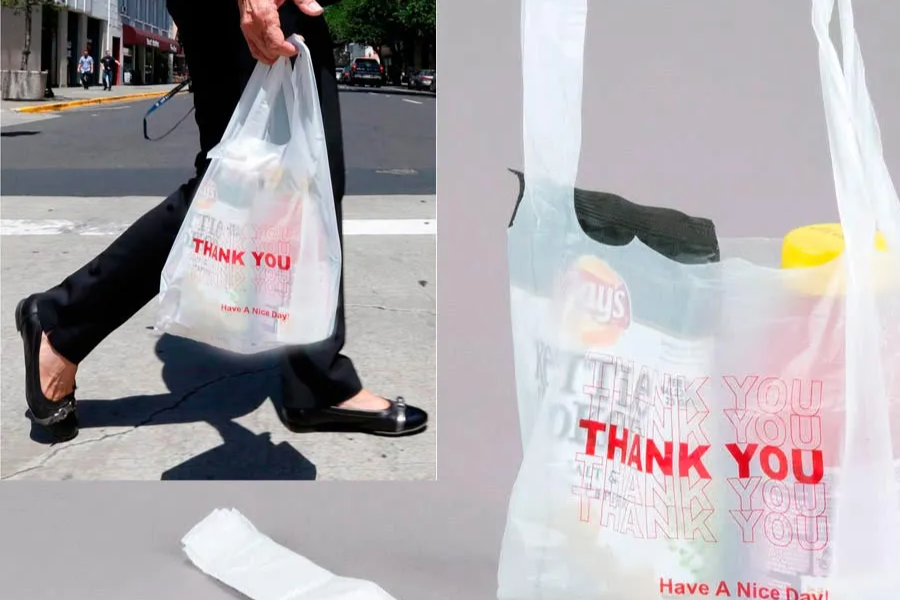
Making polyethylene plastic bags is a key part of the global packaging industry, covering everything from heavy-duty shipping to premium retail packaging. The base polymer (LDPE, LLDPE, or HDPE) gives the bag its structure, but the masterbatch determines the final performance.
Picking the right masterbatch is more than just choosing a color. It’s about making a bag that can handle the demands of transport and use, stay cost-effective, and meet the environmental standards.
For manufacturers, the main challenge is the thin nature of polyethylene plastic bags. Since the film is only a few microns thick, even small inconsistencies in the masterbatch can cause punctures, visible defects, or slowdowns on the production line.
This guide looks at both the technical factors and practical strategies needed to choose the right masterbatch for your specific production needs.
Understanding the Resin-Additive Synergy
The first step in selecting a masterbatch for polyethylene plastic bags is making sure it is chemically compatible. Polyethylene comes in many types, and an additive made for a rigid HDPE container won’t necessarily work well in an LLDPE blown film.
The carrier resin in your masterbatch should match the Melt Flow Index (MFI) of your base resin. If the masterbatch is too viscous, it won’t disperse evenly during the short time it’s in the extruder. This can cause gels or unmelted specks. In thin polyethylene bags, these specks are serious—they create weak spots that can tear under load. On high-speed production lines, it’s often better to use a masterbatch with a slightly higher MFI than the base resin to make sure it blends quickly and completely.
Functional Masterbatches: Beyond Aesthetics
While color is the most obvious additive, functional masterbatches are what really control how polyethylene bags perform.
1. Slip and Antiblock Agents
Polyethylene film tends to stick together, a problem called “blocking,” which happens because of van der Waals forces or vacuum effects when the film is rolled.
- Antiblock Masterbatch: Adds tiny particles that keep film layers slightly apart.
- Slip Masterbatch: Uses substances like erucamide that move to the surface and lower friction.
For retail bags, getting this balance right is key. Too much friction and the bags won’t separate on filling lines. Too little, and they can slide off pallets during handling or shipping.
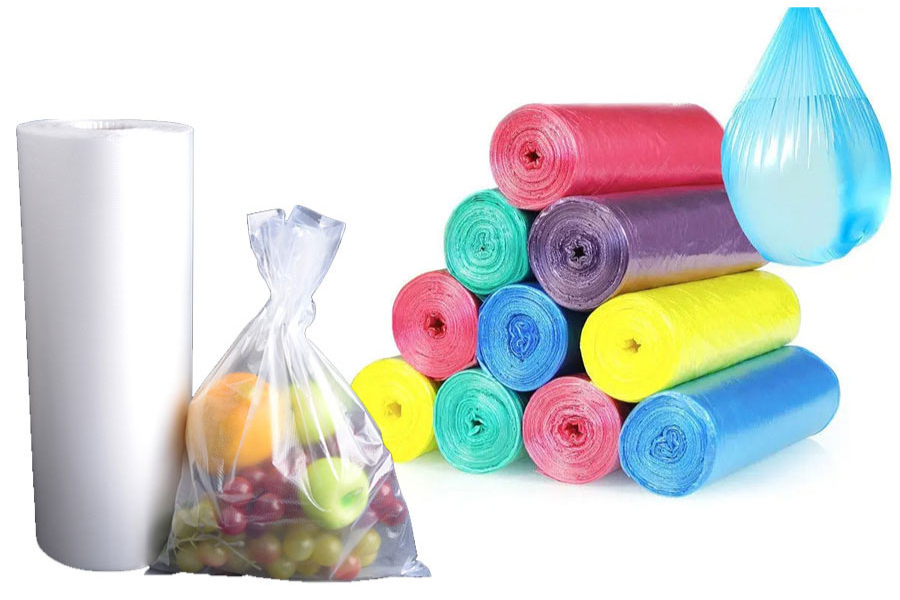
2. UV Stabilizers for Outdoor Endurance
Many polyethylene bags, like agricultural mulch films or industrial chemical liners, are stored outdoors. UV light causes photo-oxidation, which breaks down the polymer chains, leading to chalking and weaker bags.
For these applications, Hindered Amine Light Stabilizers (HALS) are the standard choice. A high-quality masterbatch will provide UV protection suited to the local sunlight conditions, helping the bags last for their intended life, often between six months and two years.
3. Processing Aids (PPA)
As manufacturers strive for “down-gauging”—making Polyethylene Plastic Bags thinner to save on resin costs—the extrusion process becomes more demanding. High-pressure extrusion can cause “melt fracture,” resulting in a rough surface often called “sharkskin.”
By choosing a masterbatch that includes Polymer Processing Aids (PPA), you can coat the internal surfaces of the die. This allows the polymer melt to slide through more easily, eliminating surface defects and allowing for a 5% to 15% increase in production throughput.
The Critical Role of Color and Opacity
For branded polyethylene plastic bags, consistent color is a key sign of quality. Achieving good opacity in thin films requires a masterbatch with high pigment content and even dispersion.
For white bags, like courier envelopes or dairy packaging, the amount of titanium dioxide is critical. A quality white masterbatch keeps the bag opaque even when stretched, hiding the contents.
For black bags, such as heavy-duty trash liners, carbon black masterbatches provide full opacity and also offer extra UV protection, which is important for outdoor storage and waste management.
Economic Strategy: The True ROI of Masterbatch
A common mistake when buying masterbatch for polyethylene bags is looking only at the price per kilogram. A better approach is to consider the “cost per finished bag.”
- Let-Down Ratio (LDR): A standard masterbatch might need a 4% dosage to reach a certain color. A high-performance, concentrated masterbatch can achieve the same or better result at just 1.5%.
- Scrap Reduction: Masterbatches with well-dispersed pigments reduce issues like bubble breaks on blown film lines. In a factory producing millions of bags, cutting scrap by even 1% can save tens of thousands of dollars in raw materials each year.
Investing in a premium masterbatch is like buying insurance for both production efficiency and your brand’s reputation.
Navigating the Sustainability Mandate
The move toward circular packaging has changed how polyethylene bags are made. Many governments now require the use of Post-Consumer Recycled (PCR) content. But PCR resin can be inconsistent, often carrying moisture and contaminants.
To make high-quality bags from recycled material, specialized masterbatches are essential:
- Desiccant Masterbatches: Absorb leftover moisture in the recycled flakes, preventing holes and silver streaks in the film.
- Antioxidant Masterbatches: Stabilize the recycled polymer, stopping it from degrading or yellowing during re-extrusion.
- Odor Scavengers: Reduce the typical “recycled” smell, keeping the bags acceptable for consumers and industrial use.
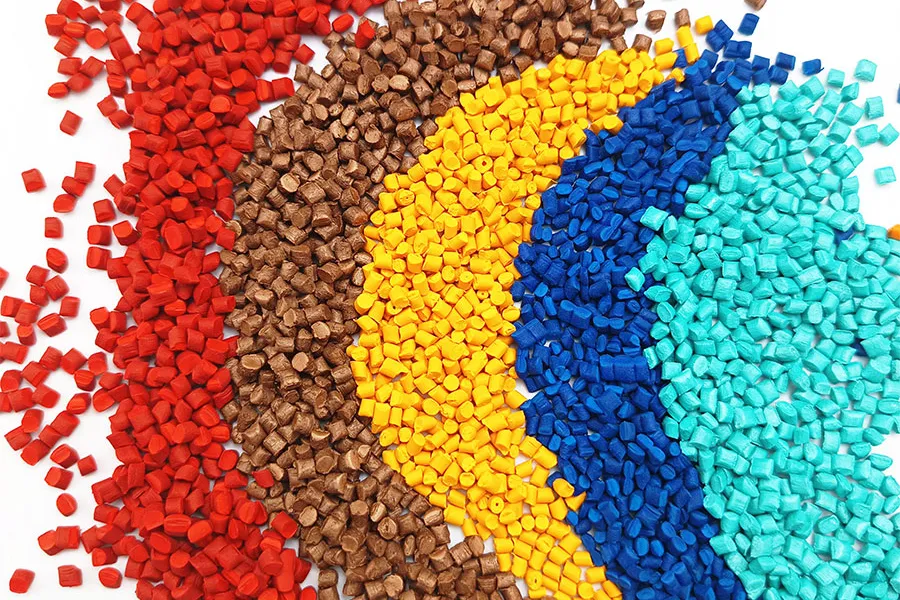
Technical Selection Checklist
When discussing your polyethylene bag project with a supplier, make sure to cover these points:
1. Heat Stability: Can the masterbatch handle temperatures up to 240°C without the color changing?
2. Filterability: Does it have a low pressure-drop value (DF value) so it won’t clog the fine screens in your extruder?
3. Food Contact Safety: For grocery or produce bags, is it fully compliant with the latest FDA or EU 10/2011 standards?
4. Light Fastness: How well does the pigment resist fading on a scale of 1–8? Outdoor bags should ideally have a rating of 7 or 8.
Case Study: High-Speed LLDPE Casting
A leading manufacturer of stretch-hood polyethylene bags was having frequent film tears during stretching. The problem came from poorly dispersed silica in their antiblock masterbatch.
They switched to a precision-engineered masterbatch with a carrier resin matched to the MFI of their LLDPE base. This solved the weak spots in the film, letting them run machines 12% faster and bringing customer complaints down to almost zero.
Choosing the right masterbatch is the last and perhaps the most important step in producing polyethylene bags. It turns a basic resin into a high-performance packaging product. By focusing on compatibility, the right functional additives, and long-term value rather than just the initial cost, manufacturers can make sure their bags stand out in a competitive market.
In 2026, quality is what makes a product stand out. Whether you’re making clear bread bags or tough industrial liners, the masterbatch you use shapes the final result. The right masterbatch ensures even color, strong material, and smooth production. Work with a supplier who understands polyethylene extrusion, and choose additives that keep your production efficient and your bags meeting customer expectations.
If you are looking to elevate the quality of your Polyethylene Plastic Bags or need a customized additive solution to solve a specific production bottleneck, our team of experts is ready to assist.