

FAQ
Common questions about selecting, using, and applying plastic masterbatch in different plastic processing methods.
What types of plastic processes can masterbatch be used in?
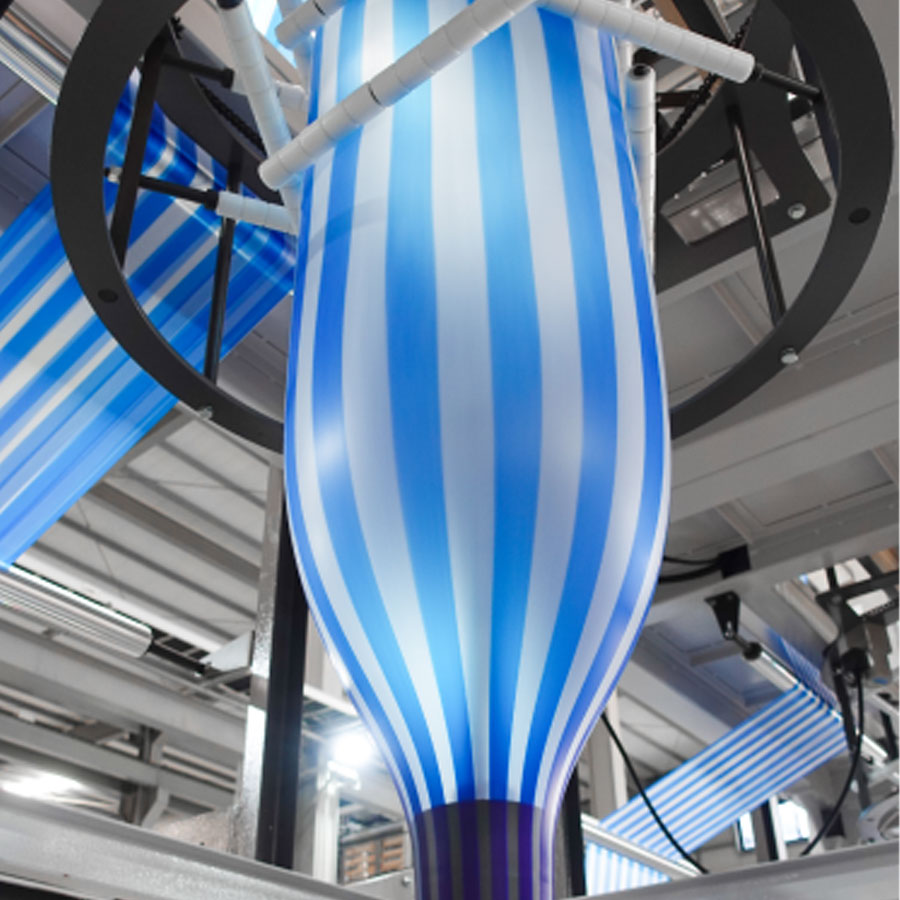
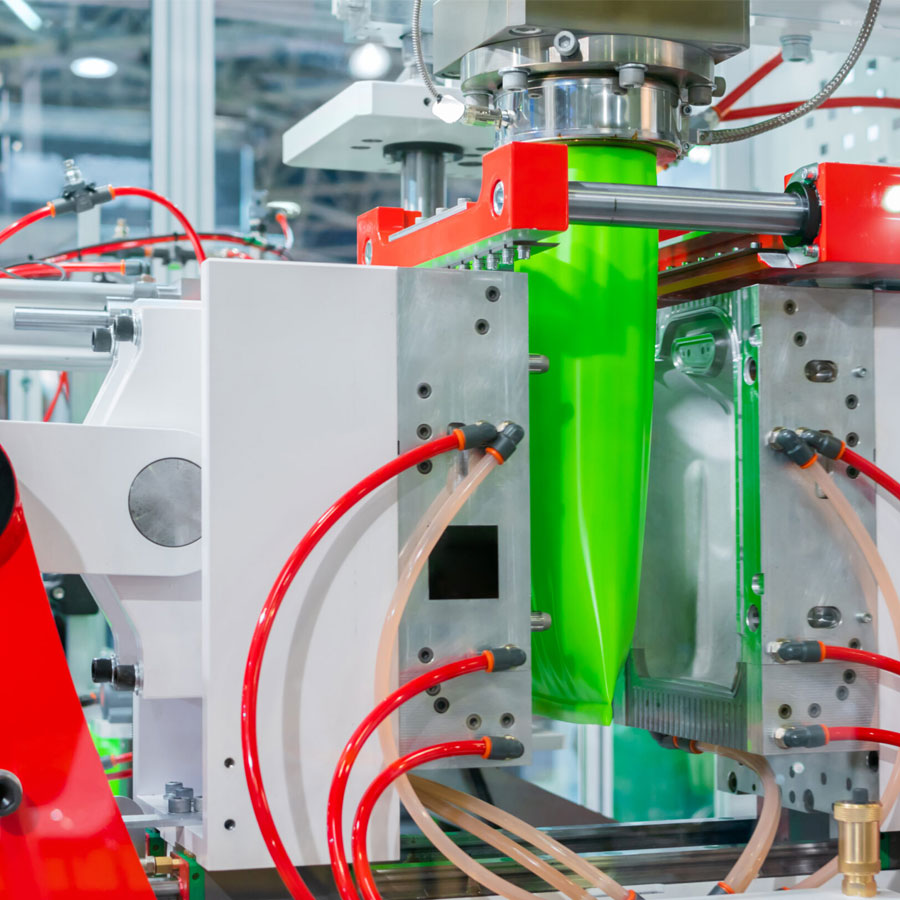
Plastic masterbatch can be used in most common plastic processing methods, including blown film, injection molding, extrusion, blow molding, and thermoforming. Different formulations are optimized to ensure good dispersion and stable performance in each process.
How do I choose the right masterbatch for my production?
The correct masterbatch depends on several factors such as the base polymer (PE, PP, ABS, etc.), processing method, product color requirements, and the desired dosage ratio. Providing details about your production process helps suppliers recommend the most suitable formulation.
What is the typical dosage ratio of masterbatch?
The dosage ratio usually ranges from 1% to 5%, depending on the type of masterbatch and the color or functional requirements. For black or color masterbatch, the ratio may vary based on the desired color intensity, while filler masterbatch often uses higher loading levels.
Will masterbatch affect the mechanical properties of plastic products?
High-quality masterbatch is designed to disperse evenly in the base resin and maintain the mechanical properties of the final product. Proper formulation and correct dosage ensure that strength, flexibility, and processing stability are not negatively affected.